Embarking on an ultramarathon is a profound test of endurance, spirit, and equipment. For distances that stretch beyond the traditional marathon, from challenging 50K races to grueling 100-mile treks across diverse landscapes, your choice of footwear isn’t merely a preference – it’s a critical partnership. The right pair of ultra running shoes acts as your most vital piece of gear, shielding your feet from relentless impact, providing crucial traction on unpredictable terrain, and helping you push through mental and physical barriers. Without them, every magnificent mile can turn into a painful ordeal.
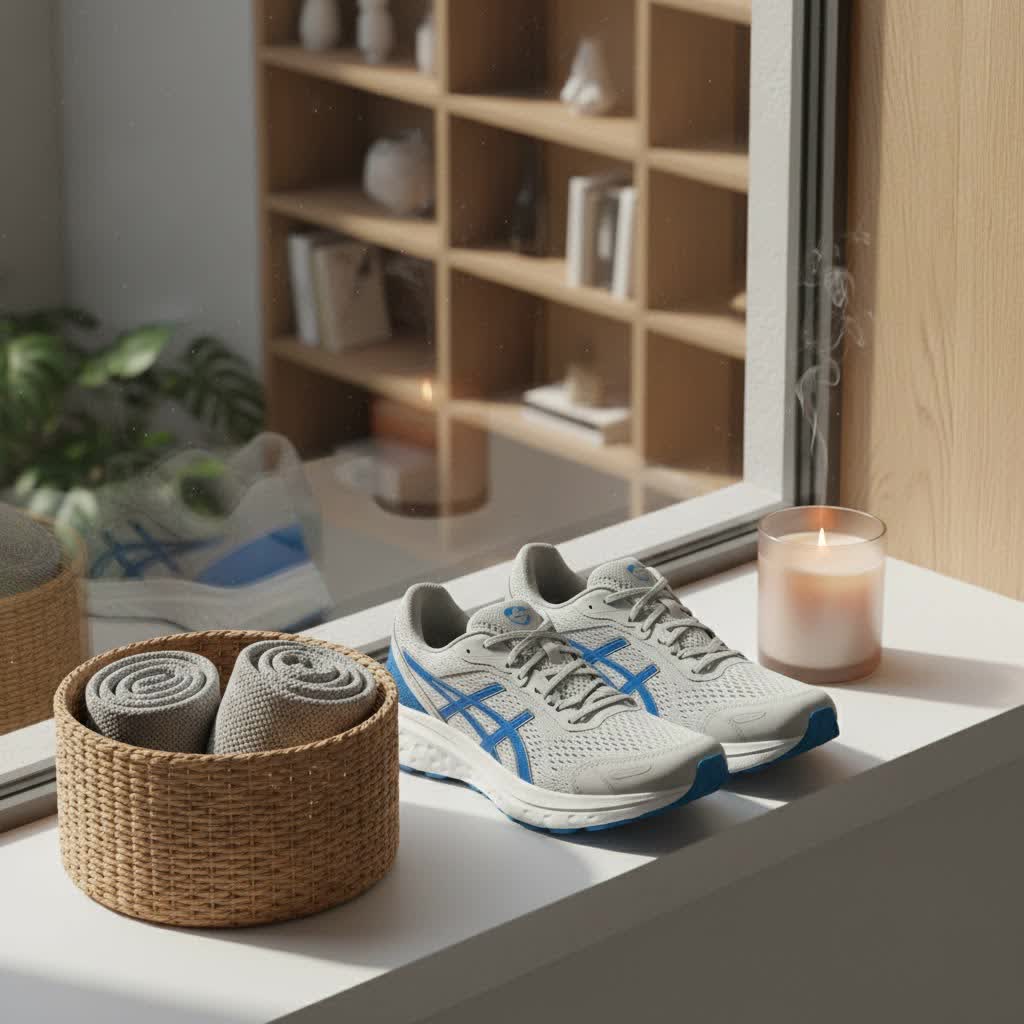
This comprehensive guide is crafted to help you navigate the specialized world of ultra running shoes. Drawing on extensive experience and a passion for hitting the trails, we’ll delve into the unique characteristics that set these shoes apart, the essential factors to consider when making your selection, and provide insights into top models that have earned their stripes in the ultra community. Get ready to discover your perfect companion for those epic adventures.
What Makes Ultra Running Shoes Unique?
Ultra running shoes are a breed apart, engineered to tackle the extraordinary demands of extended mileage and unforgiving environments. Unlike standard road running shoes, they are built with specific features designed to enhance protection, durability, and comfort when you’re spending hours, or even days, on your feet.
First and foremost is their superior durability. These shoes are constructed to withstand hundreds of miles of abuse from varied terrain – think sharp rocks, abrasive sand, thick mud, and endless roots. This means more robust outsoles, tougher upper materials, and reinforced stitching to prevent premature breakdown. The last thing an ultra runner needs is a shoe falling apart mid-race.
Enhanced cushioning is another hallmark. Over long distances, repetitive impact can lead to severe fatigue and potential injury. Ultra shoes often feature generous, yet responsive, midsoles designed to absorb shock more effectively, protecting your joints and muscles. This cushioning needs to strike a delicate balance, offering ample protection without feeling overly mushy or disconnecting you entirely from the trail.
Aggressive traction and grip are non-negotiable for ultra trail running. The outsoles are equipped with deeper, multi-directional lugs and often made from stickier rubber compounds to provide unwavering grip on loose dirt, slippery roots, wet rocks, and muddy ascents or descents. This specialized tread pattern ensures confidence and stability, significantly reducing the risk of slips and falls on technical terrain.
A spacious toe box is a critical, often overlooked, feature. During extended efforts, feet naturally swell, sometimes by half a size or more. A wider, foot-shaped toe box allows your toes to splay naturally, preventing painful rubbing, hot spots, and agonizing blisters that can derail an ultra. While the midfoot and heel should feel secure, ample room for your toes to wiggle and expand is essential.
Finally, protection features like rock plates and reinforced toe bumpers are common. Rock plates embedded in the midsole shield your foot from sharp objects, while sturdy toe caps offer crucial defense against accidental kicks into roots or rocks, saving your toenails from brutal impacts. Good ventilation and drainage are also key to prevent waterlogged feet and reduce the risk of blisters in wet conditions.
Choosing Your Perfect Pair: Key Factors to Consider
Selecting the ideal ultra running shoe involves a thoughtful assessment of your individual needs, the specific demands of your race or training, and the unique characteristics of the shoes themselves.
Terrain Type
The environment you’ll be running in is perhaps the most significant factor influencing your shoe choice.
- Technical Trails: Characterized by rugged, rocky, and often muddy paths, these demand shoes with highly aggressive grip, substantial underfoot protection (like rock plates), and enhanced stability to prevent ankle rolls. Look for deep, widely spaced lugs and a stiffer outsole.
- Non-Technical Trails / Mixed Terrain: For smoother trails, fire roads, or routes with intermittent road sections, you’ll want a shoe that offers a good balance of cushioning and moderate grip. Versatility is key here, with lugs that aren’t overly aggressive but still provide reliable traction.
- Road Ultras: While less common than trail ultras, races entirely on paved surfaces require different considerations. Here, maximal cushioning is paramount to absorb continuous impact on hard surfaces, along with a smooth ride and durable outsole rubber designed for abrasion rather than aggressive grip.
|
Our Picks for the Best Running Shoes in 2026
As an Amazon Associate I earn from qualifying purchases.
|
||
| Num | Product | Action |
|---|---|---|
| 1 | Brooks Men’s Adrenaline GTS 25 Supportive Running & Walking Shoe |

|
| 2 | Nike Women's Revolution 8 Road Running Shoes |
|
| 3 | New Balance Men's Fresh Foam 520 V9 Shoes |
|
| 4 | Nike Women's Revolution 8 Road Running Shoes |
|
| 5 | New Balance Men's Fresh Foam 520 V9 Shoes |
|
| 6 | Nike Women's Revolution 8 Road Running Shoes |
|
| 7 | Saucony Men's Cohesion 16 Running Shoes |
|
| 8 | Nike Women's Revolution 8 Road Running Shoes |
|
| 9 | Nike Women's Revolution 8 Road Running Shoes |
|
| 10 | Brooks Men’s Adrenaline GTS 25 Supportive Running & Walking Shoe |
|
Running Style and Foot Type
Understanding your biomechanics is crucial for injury prevention and comfort.
- Pronation: Determine if you have a neutral stride, overpronation (foot rolls inward excessively), or supination (foot rolls outward). Most ultra shoes are “neutral,” but some offer mild stability features. A specialist store can help with this assessment.
- Foot Shape: If you have wider feet or prefer ample toe room, brands known for their anatomical toe boxes will be a game-changer. This is particularly important for ultra distances where foot swelling is inevitable. Some brands also offer “zero-drop” platforms, which encourage a more natural, midfoot strike, but these require a gradual adaptation period.
Distance and Race Goals
The length and nature of your ultra event will influence the trade-offs you make.
- Shorter Ultras (e.g., 50K): You might prioritize a lighter, more responsive shoe that still offers sufficient cushioning and protection. Speed can be a factor, and a slightly firmer ride might be preferred for quicker transitions.
- Longer Ultras (e.g., 100K, 100 Miles+): For these monumental distances, maximal cushioning, ultimate protection, and unquestionable durability take precedence. Comfort over endless hours on your feet becomes the top priority, often at the expense of a little weight or ground feel.
Fit and Comfort
This cannot be overstated. A perfectly fitting shoe prevents blisters, hot spots, and ensures your focus remains on the run, not your feet.
- Try on Later in the Day: Your feet swell throughout the day, mimicking how they’ll feel deep into an ultra. Trying shoes on in the afternoon or evening provides a more accurate fit.
- Wear Your Running Socks: Always try on shoes with the socks you plan to wear for your runs. Different sock thicknesses can alter the fit significantly.
- Thumb’s Width Rule: Ensure there’s roughly a thumbnail’s width of space between your longest toe and the front of the shoe. This accommodates natural foot swelling and toe splay without excessive length that could lead to tripping.
- Secure but Not Tight: The midfoot and heel should feel snug and secure to prevent slippage, but without any pressure points or constriction. Your toes should be able to move freely without touching the sides of the shoe.
Top Ultra Running Shoe Brands and Models for 2024-2026
The ultra running shoe market is constantly evolving, with brands pushing boundaries in cushioning, grip, and durability. Here’s a look at some leading brands and their standout models, with a focus on their ultra-specific strengths and considerations.
| Brand | Strengths (Ultra-Specific) | Considerations (Ultra-Specific) | Example Models |
|---|---|---|---|
| Hoka | Legendary maximal cushioning for superior fatigue reduction; wide range of models for varying trail conditions; often features balanced rocker geometries. | Can feel bulky for some runners; may reduce ground feel on highly technical trails; designs are sometimes polarizing. | Speedgoat 6, Tecton X 3, Caldera |
| Altra | Signature FootShape™ toe box prevents hot spots and blisters from foot swelling; Zero Drop™ platform promotes natural gait and alignment; generally good ground feel. | Zero-drop requires an adaptation period; cushioning levels vary, so choose carefully for desired protection; some find the wide toe box visually unconventional. | Lone Peak 9, Timp 5, Olympus |
| Saucony | Versatile grip capable of handling diverse terrains; excellent balance of cushioning and responsiveness; known for durable outsoles. | Some models might not offer the extreme maximal cushioning preferred for 100+ mile races; fit can be snug for wider feet. | Peregrine 15, Exodus Ultra 3, Endorphin Edge |
| Brooks | Renowned for reliable stability and protection; offers distinct “trail classes” for specific terrains; consistent, comfortable cushioning across models. | Some models can be heavier, especially for speed-focused efforts; designs tend to be more traditional. | Cascadia 19, Caldera, Catamount |
| Topo Athletic | Features anatomical toe box for natural toe splay; flexible and stable underfoot experience; provides balanced cushioning without excessive bulk. | Less widely available than other brands; aesthetic designs are functional rather than fashion-forward; specific fit preference required. | Ultraventure 4, MTN Racer 3 |
Essential Tips for Buying Ultra Running Shoes
Making an informed decision on your next pair of ultra running shoes can significantly impact your performance and enjoyment. Here are some actionable tips:
- Visit a Specialty Running Store: This is invaluable. Staff can assess your gait, measure your feet accurately, and recommend models based on your specific needs, experience, and the type of ultras you plan to tackle. Their expertise can save you from costly mistakes.
- Try Them on in the Afternoon/Evening: As mentioned, your feet naturally swell throughout the day. Trying on shoes when your feet are at their largest will provide the most realistic fit for long-distance running.
- Always Wear Your Running Socks: Bring the exact type of socks you intend to wear for your ultras. The thickness and material of your socks can drastically change how a shoe fits and feels.
- Walk or Jog Around: Don’t just stand there. Take a short walk or jog inside the store. If allowed, try a few steps on a treadmill or even a short loop outside. Pay attention to any rubbing, pinching, or discomfort immediately.
- Consider a Half-Size Up: Many ultra runners intentionally go up half a size from their usual street shoe size to accommodate the significant foot swelling that occurs during long events. This can prevent painful toe issues.
- Break Them In Thoroughly: Never, ever race an ultra in brand-new shoes. New shoes need to be “broken in” over many training miles (typically 50-100 miles) to allow them to conform to your feet and for you to identify any potential hot spots or issues.
- Don’t Forget Socks and Insoles: The right pair of moisture-wicking, anti-blister socks and, if needed, aftermarket insoles can complement your shoes and provide an extra layer of comfort and support.
- Prioritize Fit and Function: It’s easy to get swayed by aesthetics or brand hype. For ultra running, prioritize how the shoe feels on your foot, its suitability for your terrain, and its proven ability to protect you over long distances.
Popular Ultra Running Shoe Categories
Within the realm of ultra running shoes, certain models excel in specific conditions or for particular runner preferences.
Best for Max Cushion & Long Distances
These shoes are built like tanks, designed to absorb endless pounding and keep your legs feeling fresher for longer. They often feature proprietary foams that offer a plush, protective ride.
- Hoka Speedgoat 6: A consistent favorite for its maximal cushioning, reliable grip, and comfort over technical and long trails.
- Brooks Caldera: Known for its super-soft cushioning and adaptability to varied terrain, making it ideal for high-mileage comfort.
- Hoka Tecton X 3: Blends maximal cushioning with carbon plates for a more propulsive, yet still protective, ride for those seeking speed in longer events.
Best for Technical Terrain & Grip
When the trail gets gnarly, these shoes provide the confidence and control you need. Their outsoles are engineered for superior traction on slippery, rocky, or muddy surfaces.
- Saucony Peregrine 15: A versatile workhorse praised for its aggressive outsole, protective rock plate, and balanced feel for diverse trail conditions.
- La Sportiva Bushido III: Offers exceptional grip and stability on highly technical and rocky trails, favored by runners who demand precision.
- Salomon Speedcross 6: Known for its deep, aggressive lugs that provide unmatched traction in soft, muddy conditions.
Best for Wide Feet & Natural Feel
For runners who prioritize natural toe splay and a less restrictive fit, especially as feet swell, these models deliver.
- Altra Lone Peak 9: A classic zero-drop trail shoe with a generous FootShape™ toe box, offering comfort and versatility for long miles.
- Topo Athletic Ultraventure 4: Combines an anatomical toe box with ample cushioning and a stable platform, appealing to those seeking a natural yet protective ride.
Best All-Rounders
These shoes strike an excellent balance across various factors, making them great choices for a wide range of ultra distances and mixed trail conditions.
- Merrell MTL Long Sky 2 Matryx: A lightweight and grippy option that performs well across different terrains, offering a responsive yet cushioned feel.
- Saucony Peregrine 15: Its versatility in grip, cushioning, and protection makes it a go-to for many runners tackling various types of ultras.
“Having meticulously researched and tested countless models over a decade, I’ve learned that the right pair of ultra running shoes isn’t just about covering distance; it’s about safeguarding your body, optimizing your performance, and ensuring every stride on those incredible journeys is supported and comfortable.”
Conclusion
The journey of an ultra runner is one of extraordinary commitment, and the right pair of ultra running shoes is an indispensable partner in that endeavor. By understanding the unique demands of ultra distances and carefully considering factors like terrain, fit, cushioning, and durability, you can make an informed choice that will serve you well across countless miles. Remember, the perfect shoe is a deeply personal choice – one that prioritizes your comfort, protects your body, and empowers you to conquer the incredible challenges that await on the trails.
So, take your time, do your research, and most importantly, listen to your feet. With the right footwear, you’ll be well-equipped to experience the profound satisfaction of achieving your ultra running goals. What’s your next ultra challenge, and what shoes will carry you to the finish line?
Frequently Asked Questions
Why do ultra runners wear larger shoes?
Ultra runners often wear shoes that are a half-size to a full-size larger than their regular street shoes to accommodate foot swelling. Over long distances and many hours, feet naturally expand due to increased blood flow and fluid retention. Wearing larger shoes prevents painful rubbing, hot spots, and blisters, ensuring sustained comfort.
What is zero-drop in ultra running shoes?
Zero-drop refers to shoes where the heel and forefoot are at the same height from the ground. This design promotes a more natural foot strike (midfoot to forefoot), encourages a natural gait, and can improve alignment. While beneficial for some, transitioning to zero-drop shoes requires a gradual adaptation period to strengthen relevant foot and calf muscles.
How often should I replace my ultra running shoes?
The lifespan of ultra running shoes typically ranges from 300 to 500 miles, though this can vary depending on terrain, running style, shoe construction, and runner’s weight. For ultra distances, where performance and protection are critical, it’s often wise to replace them closer to the 300-mile mark, especially if you notice a decrease in cushioning, grip, or structural integrity.
Are carbon plates good for ultra running?
Carbon plates in ultra running shoes are designed to provide a more propulsive ride and improve running economy. While popular in road racing, their benefit in ultra trail running is debated. They can add stiffness, potentially reducing ground feel and comfort over very long, technical distances, but can offer a speed advantage on smoother sections. Some newer models integrate them specifically for longer races.
Can I use road shoes for ultra trail races?
It is generally not recommended to use road shoes for ultra trail races. Road shoes lack the necessary features for off-road terrain, such as aggressive outsole lugs for traction, reinforced uppers for protection against debris, and often sufficient durability or stability for uneven ground. Using them on trails can lead to slips, falls, discomfort, and increased risk of injury.
