Stepping onto the pavement or trail, every runner dreams of feeling swift, unencumbered, and efficient. It’s a universal pursuit of speed, a desire to defy gravity with each stride. In this quest, lightweight running shoes emerge as a true marvel, blending cutting-edge technology, innovative design, and refined functionality to give you that almost weightless sensation. These specialized shoes are engineered to work with you, not against you, optimizing your performance and enhancing the pure joy of running. But what exactly defines a lightweight running shoe, and how do you find the perfect pair to propel you towards your goals? Let’s dive into the world of these nimble companions and discover how they can transform your running experience.
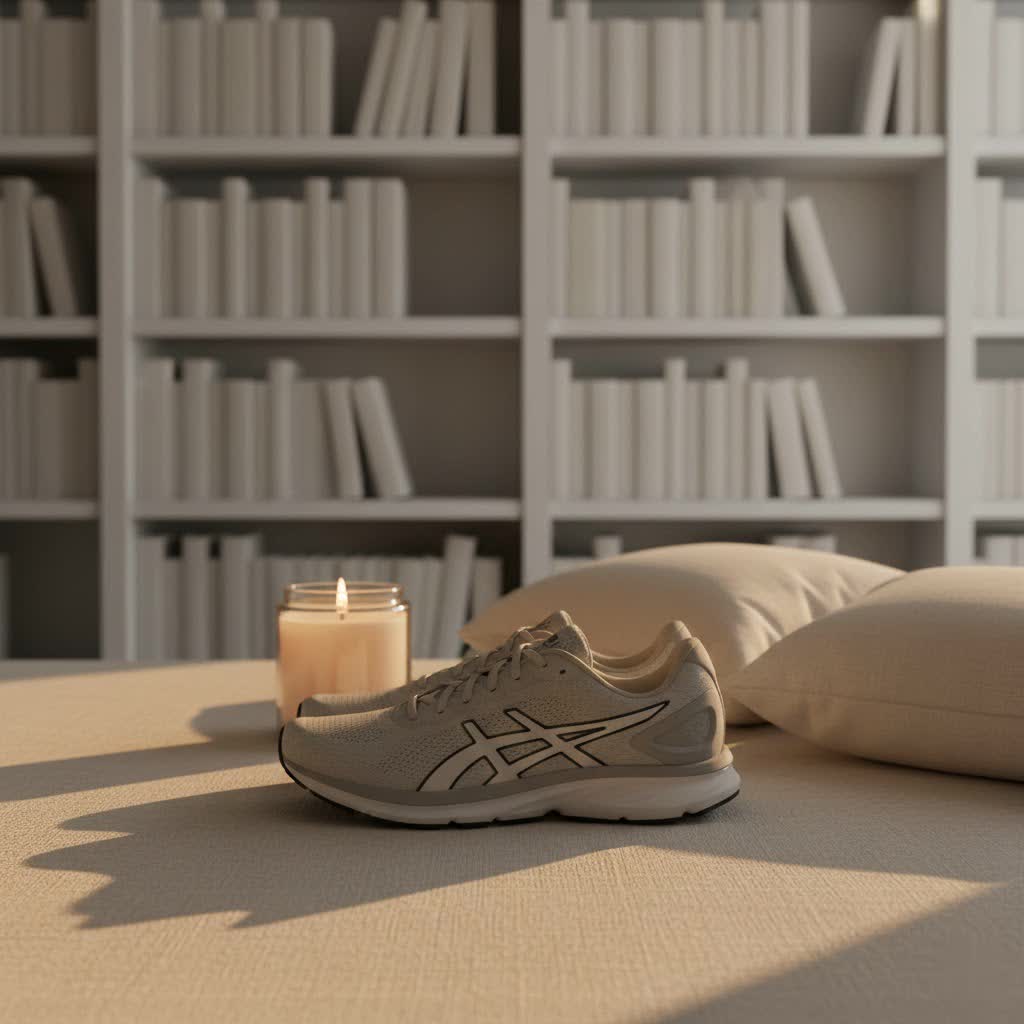
Navigating the World of Lightweight Running Shoes
The category of lightweight running shoes is diverse, encompassing various designs tailored for specific running demands. Understanding these types is the first step toward finding your perfect match.
Types of Lightweight Running Shoes
- Racing Flats (Super Shoes): These are the elite of lightweight footwear, meticulously designed for pure speed on race day, from 5K sprints to full marathons. They are often characterized by ultra-light materials, minimal outsoles, and frequently incorporate carbon fiber plates for maximum energy return and propulsion. While incredibly fast, their focus on performance often means a trade-off in durability and maximal cushioning, making them less ideal for everyday training.
- Lightweight Daily Trainers: Offering a more versatile balance, these shoes are suitable for a wider range of activities, including regular daily runs, tempo workouts, and even longer distances. They maintain a light profile but provide more cushioning and durability than dedicated racing flats. They aim to deliver an agile feel without completely sacrificing comfort or protection, making them a popular choice for runners seeking a single shoe for varied uses.
- Lightweight Trail Running Shoes: Designed for off-road adventures, these shoes balance minimal weight with the necessary grip, protection, and stability for varied terrain. Given the demands of trails, achieving extreme lightness while ensuring ruggedness is a significant engineering challenge, making genuinely lightweight trail options less common but highly valued. They feature aggressive outsoles for traction and often reinforced uppers for protection against debris.
- Lightweight Stability Running Shoes: For runners requiring extra support to correct overpronation, lightweight stability shoes offer a subtle blend of lightness and guidance. Stability features typically add weight, so these shoes represent a delicate balance, providing moderate support without the bulk of traditional stability models. They are less common in the ultra-light category but are invaluable for runners who need a touch of stability to maintain efficient biomechanics.
|
Our Picks for the Best Running Shoes in 2026
As an Amazon Associate I earn from qualifying purchases.
|
||
| Num | Product | Action |
|---|---|---|
| 1 | Nike Women's Revolution 8 Road Running Shoes |

|
| 2 | Nike Women's Revolution 8 Road Running Shoes |
|
| 3 | New Balance Men's Fresh Foam 520 V9 Shoes |
|
| 4 | Nike Women's Revolution 8 Road Running Shoes |
|
| 5 | Nike Women's Revolution 8 Road Running Shoes |
|
| 6 | Nike Women's Revolution 8 Road Running Shoes |
|
| 7 | Brooks Men’s Adrenaline GTS 25 Supportive Running & Walking Shoe |
|
| 8 | Brooks Men’s Adrenaline GTS 25 Supportive Running & Walking Shoe |
|
| 9 | New Balance Men's Fresh Foam 520 V9 Shoes |
|
| 10 | Saucony Men's Cohesion 16 Running Shoes |
|
Key Factors When Choosing Lightweight Running Shoes
Selecting the ideal lightweight running shoe requires a careful evaluation of several crucial factors to ensure it aligns with your unique needs and running aspirations.
- Weight & Construction: Generally, a running shoe is considered lightweight if it weighs less than 8.8 ounces (250 grams) for a men’s US size 9 in the daily trainer category, and often under 7 ounces (200 grams) for racing shoes. This reduced weight is achieved through innovative materials like advanced, low-density foams, minimal upper fabrics, and strategic reduction of outsole rubber. Manufacturers often use techniques like cutting down on padding in the tongue and heel, or exposing more midsole foam instead of heavy rubber on the outsole to shed grams.
- Cushioning & Responsiveness: The best lightweight shoes strike a delicate balance between plush cushioning for impact absorption and responsive rebound for an energetic toe-off. Modern technologies, such as advanced TPU-based foams (e.g., Lightstrike Pro, A-TPU) and embedded carbon or nylon plates, allow shoes to be highly cushioned yet incredibly light and propulsive. This combination helps reduce fatigue and enhances forward momentum.
- Durability & Outsole: One of the most common trade-offs in lightweight shoe design is durability, particularly in the outsole. To save weight, less rubber may be used, leading to more exposed midsole foam. While innovative rubber compounds like VIBRAM Litebase can offer lighter, thinner soles without compromising grip, shoes with significantly exposed midsoles might wear down faster and offer less traction in wet conditions. When comparing lightweight racing shoes to daily trainers, race-specific models often have reduced durability due to their singular focus on speed over longevity.
- Intended Use: Your primary use case will heavily influence your choice. Are you seeking a shoe for personal bests on race day, speedy tempo runs, versatile daily training, or tackling technical trails? A highly minimalist racing flat, while exceptional for short, fast efforts, might not provide the comfort or durability needed for long training miles. Conversely, a lightweight daily trainer offers more versatility for varied workouts.
- Foot Type & Running Style: Understanding your foot’s arch type (neutral, pronated, supinated) and your typical foot strike (heel, midfoot, or forefoot) is vital. While many lightweight shoes are designed for neutral runners, some offer subtle stability features. For example, some racing shoes are optimized for midfoot or forefoot strikers, potentially feeling less stable for heel strikers due to a narrower heel design.
- Budget: Lightweight running shoes span a broad price range. While cutting-edge racing shoes with advanced technologies can be quite expensive, there are excellent budget-friendly lightweight options available that still deliver good performance and comfort for their price point. It’s important to align your budget with your performance expectations and durability requirements.
Pros and Cons of Lightweight Running Shoes
Like any specialized gear, lightweight running shoes come with their own set of advantages and potential drawbacks.
Pros (Advantages):
- Increased Speed & Efficiency: Research consistently shows that lighter shoes can lead to faster running times. The reduced weight on your feet translates to less energy expenditure per stride, allowing for quicker turnover and improved running economy.
- Agile & Responsive Feel: The minimalist design and advanced foams often provide a closer-to-the-ground feel with excellent ground feedback and a springy, propulsive ride. This sensation of agility can make running feel more effortless and enjoyable.
- Versatility: Many lightweight shoes, particularly lightweight daily trainers, are designed to be versatile, performing well across various paces and distances. This makes them suitable for everything from short, fast workouts to moderate-length runs.
- Improved Performance: For competitive runners or those aiming to set personal bests, the performance benefits of lightweight shoes—especially those with carbon plates—can be significant, aiding in achieving faster race times.
- Enhanced Enjoyment: The feeling of lightness and speed can contribute to a more enjoyable running experience, helping you find that coveted “runner’s high” more frequently.
Cons (Downsides):
- Potentially Lower Durability: To achieve minimal weight, manufacturers often reduce the amount of durable materials like outsole rubber or reinforce uppers less extensively. This can result in a shorter lifespan compared to heavier, more robust training shoes.
- Reduced Support/Stability: The focus on shedding weight often means less material dedicated to stability features. This can limit options for runners who require significant support for overpronation, or make the shoes feel less secure for those prone to instability.
- Less Padding/Comfort: Minimalist designs may translate to thinner tongues and heel collars, which, while reducing weight, can sometimes lead to discomforts like “lace bite” or heel irritation for some runners.
- Higher Price Point: On average, lightweight running shoes, especially those incorporating advanced foams and carbon plates, tend to be more expensive due to the research, development, and high-tech materials involved.
- Limited Trail Options: Creating a truly lightweight shoe that can withstand the rigors of technical trails (requiring deep lugs, rock plates, and reinforced uppers) is challenging, leading to fewer choices in this specific category.
Top Lightweight Running Shoes Recommended by Experts
While personal preference always plays a role, certain lightweight models consistently earn high praise for their performance and innovation.
| Brand | Model | Key Strengths | Typical Use |
|---|---|---|---|
| Hoka | Mach 6 | Overall versatility, comfort, agility, responsive cushioning | Daily Trainer, Tempo Runs |
| Adidas | Adizero Adios Pro 4 | Elite energy return, speed, marathon racing | Race Day (5K-Marathon) |
| ASICS | Megablast | Exceptional shock absorption, versatile, grippy outsole | Tempo, Daily Trainer |
| Nike | Alphafly 3 | Marathon dominance, propulsive carbon plate, breathable | Race Day (Marathon) |
| Hoka | Rincon 4 | Lightweight stability, moderate cushioning, versatile | Daily Trainer, Stability |
| Saucony | Kinvara 16 | Everyday lightweight training, flexible, comfortable | Daily Trainer |
| New Balance | FuelCell Rebel v5 | Energetic tempo runs, responsive, flexible | Tempo Runs, Fast Workouts |
| Nike | Interact Run | Best budget, breathable, flexible, good for beginners | Short Runs, Casual |
Buying Guide: How to Choose Your Perfect Pair
With the myriad of options available, selecting your ideal lightweight running shoe can feel daunting. Here’s a step-by-step guide to help you make an informed decision:
- Understand Your Needs: Begin by identifying your primary running goals. Are you training for a specific race and seeking speed, or do you need a light shoe for everyday mileage and varied workouts? Consider the distances you typically run, your desired pace, and the type of terrain.
- Determine Your Foot Type and Pronation: Consult a running specialist or perform a simple wet test to understand your arch type and how your foot rolls during impact. This will guide you toward neutral, stability, or minimalist options.
- Try Before You Buy: Whenever possible, visit a specialized running store. Try shoes on at the end of the day when your feet are slightly swollen to ensure an accurate fit. Walk and, ideally, run a few strides in the shoes to assess comfort, fit, and feel. Pay attention to how the shoe supports your arch, the width of the toe box, and any pressure points.
- Read Reviews & Expert Opinions: Leverage resources like reviewratr.com and other reputable running publications. Read feedback from runners with similar foot types, running styles, and goals. Expert reviews can provide valuable insights into a shoe’s performance, durability, and specific characteristics.
- Consider the Trade-offs: Be realistic about the compromises inherent in lightweight design. If maximum durability is paramount, you might opt for a lightweight daily trainer over a pure racing flat. If speed is your absolute priority, be prepared for potentially less longevity.
“A well-chosen pair of running shoes can be a game-changer, not only helping you shave seconds off your personal bests but also protecting you from injury and enhancing the sheer joy of your run.” – Reviewratr.com Admin
Choosing the right lightweight running shoe is an investment in your performance and comfort. By understanding the types, considering key factors, and making an informed decision, you can find a pair that truly feels like an extension of your body, propelling you forward with effortless speed.
Frequently Asked Questions
What makes a running shoe “lightweight”?
A running shoe is generally considered lightweight if it falls below a certain weight threshold, typically around 8.8 ounces (250 grams) for a men’s US size 9 in daily trainers, and even lighter, under 7 ounces (200 grams), for dedicated racing shoes. This is achieved through engineering techniques such as using advanced, lighter midsole foams, minimizing outsole rubber, employing thin, breathable upper materials, and sometimes incorporating strategic cutouts in the foam.
Are lightweight running shoes good for long distances?
Yes, many modern lightweight running shoes, particularly those categorized as “super shoes” or specialized daily trainers, are excellent for long distances, including marathons. They combine minimal weight with highly responsive and often generous cushioning, sometimes enhanced with carbon fiber plates, to reduce fatigue and maintain efficiency over extended mileage. However, some extremely minimalist lightweight shoes might lack the cushioning needed for comfort during very long runs for all runners.
Do lightweight running shoes last as long as heavier ones?
Generally, lightweight running shoes tend to have a shorter lifespan than their heavier, more robust counterparts. This is often due to the intentional reduction of durable materials like outsole rubber and the use of thinner, less reinforced uppers to save weight. While some advancements in material science are improving durability, it remains a common trade-off, especially for highly performance-oriented racing flats which are not designed for high mileage training.
Can beginners wear lightweight running shoes?
Beginners can certainly wear lightweight running shoes, especially lightweight daily trainers that offer a good balance of cushioning and agility. However, pure racing flats might be too minimalist or aggressive for new runners who are still developing their running form and foot strength. It’s crucial for beginners to prioritize comfort, adequate cushioning, and a stable feel, and to gradually introduce more specialized lightweight shoes as their experience and form improve.
