Every stride you take sends impact through your body. Whether you’re a seasoned marathoner or just starting your running journey, the right pair of cushioned running shoes can transform your experience, offering a luxurious blend of comfort, protection, and performance. Imagine effortlessly gliding over pavements, your joints feeling protected, and your focus solely on the rhythm of your breath and the joy of the run. This guide will help you navigate the world of cushioned footwear, ensuring you find the perfect pair to support your unique needs and goals. We’ll explore different types, essential selection factors, top brands, and practical buying tips to ensure every run is a comfortable journey.
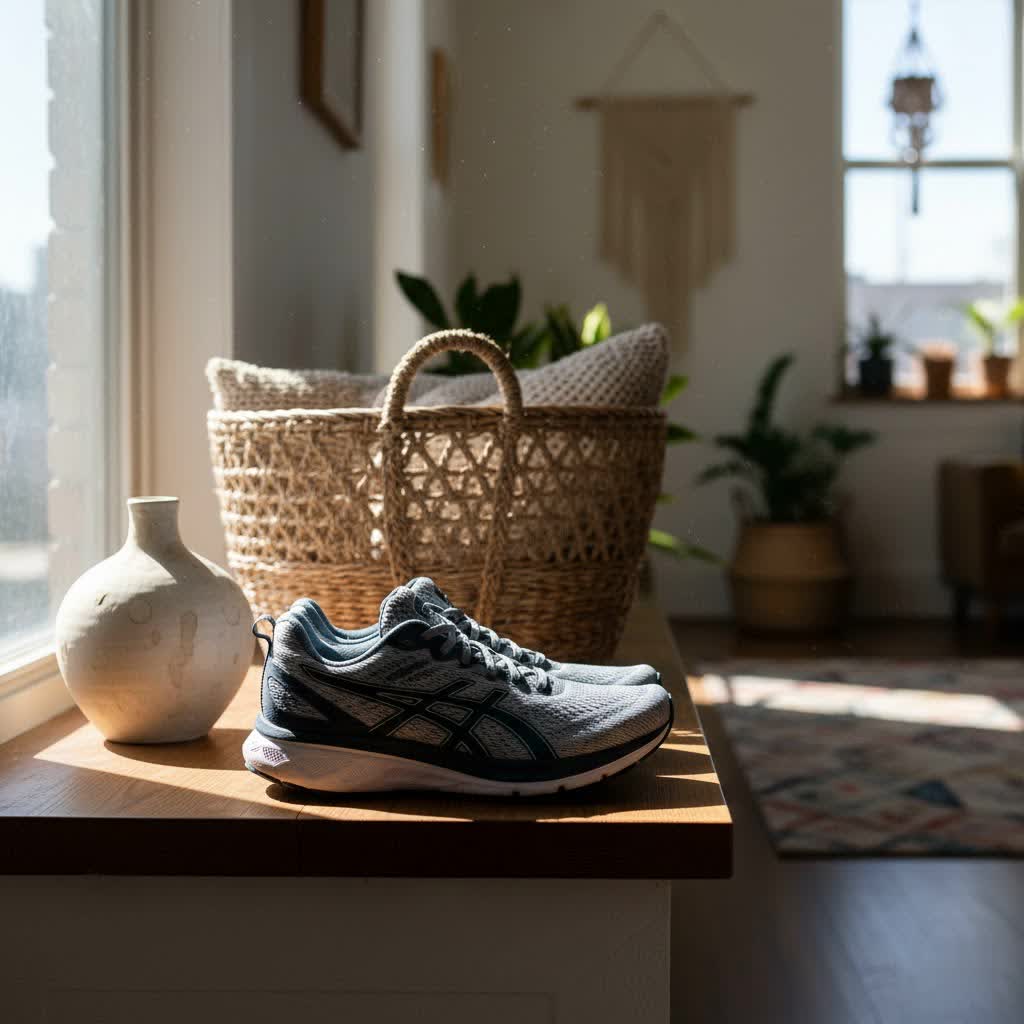
Choosing the Perfect Cushioned Running Shoes: Your A-Z Guide
Understanding the various elements of cushioned running shoes is key to making an informed decision that enhances your comfort and performance. From the midsole technology to the overall shoe design, every detail plays a role in how your feet interact with the ground.
Popular Types of Running Shoes and Their Cushioning Aspects
Running shoes are designed with various purposes, and cushioning is a pivotal feature that adapts to each type’s demands.
- Road Running Shoes: Designed for hard, even surfaces like asphalt and concrete, road running shoes prioritize maximum shock absorption. They often feature plush, soft cushioning throughout the midsole to reduce impact on joints, making them ideal for daily training and long distances.
- Trail Running Shoes: Built for unpredictable terrains, these shoes balance cushioning with stability and grip. While offering good impact protection, their cushioning is often firmer than road shoes to provide better ground feel and prevent ankle rolls on uneven paths.
- Speed Running Shoes: These are engineered for faster paces, races, and tempo runs. While still offering cushioning, they emphasize responsiveness and energy return over plush softness. The cushioning might be lighter or incorporate plates to provide a propulsive feel.
- Stability Running Shoes: Tailored for runners who overpronate (foot rolls inward excessively), stability shoes incorporate firmer cushioning or structural elements on the medial side to guide the foot into a more neutral position. They offer a balance of support and comfort.
- Neutral Running Shoes: These shoes are designed for runners with a neutral gait or mild pronation, allowing the foot to move naturally. They typically feature uniform cushioning throughout the midsole, focusing purely on impact absorption and comfort without additional motion control.
|
Our Picks for the Best Running Shoes in 2026
As an Amazon Associate I earn from qualifying purchases.
|
||
| Num | Product | Action |
|---|---|---|
| 1 | Nike Women's Revolution 8 Road Running Shoes |

|
| 2 | Nike Women's Revolution 8 Road Running Shoes |
|
| 3 | Saucony Men's Cohesion 16 Running Shoes |
|
| 4 | Brooks Men’s Adrenaline GTS 25 Supportive Running & Walking Shoe |
|
| 5 | Nike Women's Revolution 8 Road Running Shoes |
|
| 6 | New Balance Men's Fresh Foam 520 V9 Shoes |
|
| 7 | Nike Women's Revolution 8 Road Running Shoes |
|
| 8 | Nike Women's Revolution 8 Road Running Shoes |
|
| 9 | Brooks Men’s Adrenaline GTS 25 Supportive Running & Walking Shoe |
|
| 10 | New Balance Men's Fresh Foam 520 V9 Shoes |
|
Important Factors When Choosing Cushioned Running Shoes
Selecting the right cushioned running shoes goes beyond just softness. Several personal and practical factors influence which pair will be your perfect match.
- Foot Type: Understanding your arch type (high, normal, flat) and pronation (neutral, overpronation, supination) is crucial. Neutral runners typically thrive in neutral cushioned shoes, while those who overpronate might benefit from stability-oriented cushioning.
- Running Style (Gait): Your foot strike pattern, whether heel, midfoot, or forefoot, can affect where you need the most cushioning. Heel strikers might prefer shoes with more heel cushioning and a higher drop, whereas midfoot/forefoot strikers might prefer a more balanced cushioning profile.
- Running Terrain: The surfaces you most frequently run on dictate the necessary cushioning and outsole durability. Road runners need soft, high-stack cushioning, while trail runners require a balance of protection and ground feel for uneven surfaces.
- Running Distance: Longer distances generally call for more generous cushioning to mitigate fatigue and protect joints over extended periods. Shorter, faster runs might benefit from lighter, more responsive cushioning for quicker transitions.
- Budget: Cushioned running shoes are available across various price points. Entry-level models offer basic cushioning, while premium shoes boast advanced foam technologies and innovative designs that enhance durability, comfort, and performance, reflecting their higher cost.
Comparison Table of Famous Cushioned Running Shoe Brands
| Brand | Key Cushioning Technologies | Pros | Cons | Typical Price Segment |
|---|---|---|---|---|
| Nike | ZoomX, ReactX | Highly responsive, bouncy, comfortable, innovative designs | Can be heavy in maximal models, higher price for premium tech | Mid-Range – Premium |
| Adidas | Boost, Lightstrike Pro | Durable, energetic return, comfortable, versatile | Can feel a bit firm for some, designs vary widely | Mid-Range – Premium |
| Asics | GEL, FF Blast Plus Eco, FF Blast Max | Excellent shock absorption, stability features, plush comfort | Designs can be less flashy, some models feel less responsive | Mid-Range |
| Brooks | DNA LOFT, GuideRails | Soft, adaptable cushioning, smooth ride, reliable stability | Some models can feel less exciting or overly plush | Mid-Range – Premium |
| Hoka One One | EVA foam (compression-molded), PEBA | Maximal cushioning, exceptional shock absorption, lightweight for stack | Can feel bulky or less ground feel, distinctive aesthetic | Premium |
| New Balance | Fresh Foam X, FuelCell (PEBA/EVA) | Balanced cushioning, soft yet responsive, wide size options, comfortable uppers | Some models might lack extreme responsiveness for speed | Mid-Range – Premium |
| Saucony | PWRRUN, PWRRUN PB | Balanced blend of softness and responsiveness, good durability | Some feel can be slightly firm, can be heavy in max-cushioned models | Mid-Range – Premium |
| On Running | CloudTec®, Helion™ foam | Unique cushioning pods, responsive, lightweight, distinctive aesthetic | Pods can trap small stones, some find them too firm | Mid-Range – Premium |
How to Buy Cushioned Running Shoes
Making the right choice for your cushioned running shoes involves a systematic approach to ensure comfort, fit, and performance align with your expectations.
- Research Thoroughly: Begin by understanding the different cushioning types, foam technologies, and what aspects are most important for your running style and goals. Websites, reviews, and expert guides can be invaluable resources.
- Measure Your Feet Accurately: Foot size can change, and wearing the wrong size is a common cause of discomfort. Have your feet measured, preferably by an expert, considering length, width, and arch height.
- Try Shoes in the Late Afternoon or Evening: Your feet tend to swell throughout the day. Trying on shoes later in the day ensures a comfortable fit even when your feet are at their largest.
- Run a Test Lap Before Buying: Most specialty running stores allow you to take a short jog in the shoes, either on a treadmill or around the store. This is crucial for evaluating the feel, cushioning, and fit under dynamic conditions. Pay attention to how the cushioning responds.
- Consult Experienced Personnel: Running store specialists can analyze your gait, recommend suitable cushioning levels based on your biomechanics, and offer personalized advice that online shopping can’t replicate.
- Purchase from Reputable Stores: Buying from established running stores, either physical or online, often comes with better return policies and expert support, ensuring you get genuine products and assistance.
Top Cushioned Running Shoes Today
Here are some of the most highly regarded cushioned running shoes, categorized by their best-suited applications, focusing on their cushioning prowess.
- Best Cushioned Running Shoe for Beginners: Hoka Clifton 10
Known for its balanced cushioning and smooth ride, the Hoka Clifton 10 offers an ideal entry point for new runners seeking comfort and protection without feeling overly plush. Its moderate stack height and consistent performance make it a versatile choice. - Best Cushioned Running Shoe for Long Distance: New Balance Fresh Foam X 1080v14
This model delivers a super-soft, plush experience that excels in absorbing impact over many miles. Its generous Fresh Foam X cushioning provides enduring comfort, making it a favorite for marathon training and long-haul efforts. - Best Cushioned Running Shoe for Speed: New Balance FuelCell Rebel v5
Despite its cushioning, the FuelCell Rebel v5 is exceptionally lightweight and propulsive. Its PEBA/EVA blend foam offers a bouncy, responsive feel that encourages faster paces, making it a great option for tempo runs and even shorter races. - Best Cushioned Running Shoe for Trail Running: [General recommendation, as specific models vary greatly]
For trails, look for models like the Salomon Ultra Glide or Hoka Speedgoat, which offer substantial cushioning for rugged terrain while maintaining essential stability and grip. Their midsoles are designed to absorb uneven impacts without sacrificing trail feel. - Best Cushioned Running Shoe for Flat Feet: Nike Invincible 3
While a neutral shoe, the Nike Invincible 3 provides a wide, stable platform with its expansive ZoomX foam, offering significant cushioning alongside inherent stability that can benefit runners with flatter arches seeking comfort and support.
“A well-cushioned running shoe can be the difference between a painful run and an exhilarating one, offering a shield against the repetitive impact and paving the way for consistent, enjoyable training.”
Conclusion
The journey to finding your perfect pair of cushioned running shoes is a rewarding one that directly impacts your running enjoyment and health. By prioritizing shock absorption, comfort, and the right blend of responsiveness, these shoes play a critical role in preventing injuries and enhancing your overall running experience. Remember to consider your individual needs—from foot type to preferred terrain—and don’t shy away from trying different brands and models. Embrace the advancements in cushioning technology; your feet, joints, and performance will thank you. What kind of cushioning makes you feel like you’re truly flying on your runs?
Frequently Asked Questions
Are cushioned running shoes better for injury prevention?
While cushioned running shoes can help absorb impact and potentially reduce strain on joints, studies offer mixed conclusions on direct injury prevention. They are excellent for comfort and can aid recovery, but proper training, strength, and biomechanics are equally vital.
How often should I replace my cushioned running shoes?
Most cushioned running shoes last between 300 to 500 miles. However, this can vary based on your running style, weight, terrain, and the shoe’s specific cushioning materials. Pay attention to signs of wear, such as reduced bounce or new aches.
Can cushioned shoes be used for all types of runs?
Yes, many cushioned shoes are versatile enough for various runs, from easy recovery jogs to long training efforts. However, some runners prefer specialized shoes—lighter, firmer ones for speed work or races, and maximal cushioned shoes for daily comfort and recovery.
Do heavier runners need more cushioning in their shoes?
Heavier runners often benefit from more substantial cushioning as it helps distribute impact forces more effectively, reducing pressure on joints. This can lead to greater comfort and potentially extend the shoe’s lifespan before the foam begins to pack out.
What is “stack height” in cushioned running shoes?
Stack height refers to the amount of material (typically foam) between your foot and the ground, measured in millimeters. Higher stack heights generally indicate more cushioning, while lower stack heights offer a greater “ground feel” and responsiveness.
