Embarking on a running journey, whether you’re a seasoned marathoner or just starting with daily jogs, demands the right footwear. The perfect pair of running shoes can transform your experience, offering comfort, support, and protection against injury. For decades, Nike has stood at the forefront of athletic innovation, consistently delivering groundbreaking technologies and iconic designs that cater to every runner’s unique needs. This comprehensive guide will navigate you through the diverse world of Nike Running Shoes, helping you understand their core technologies, popular models, and crucial factors to consider so you can confidently choose your ideal companion for the road, track, or trail.
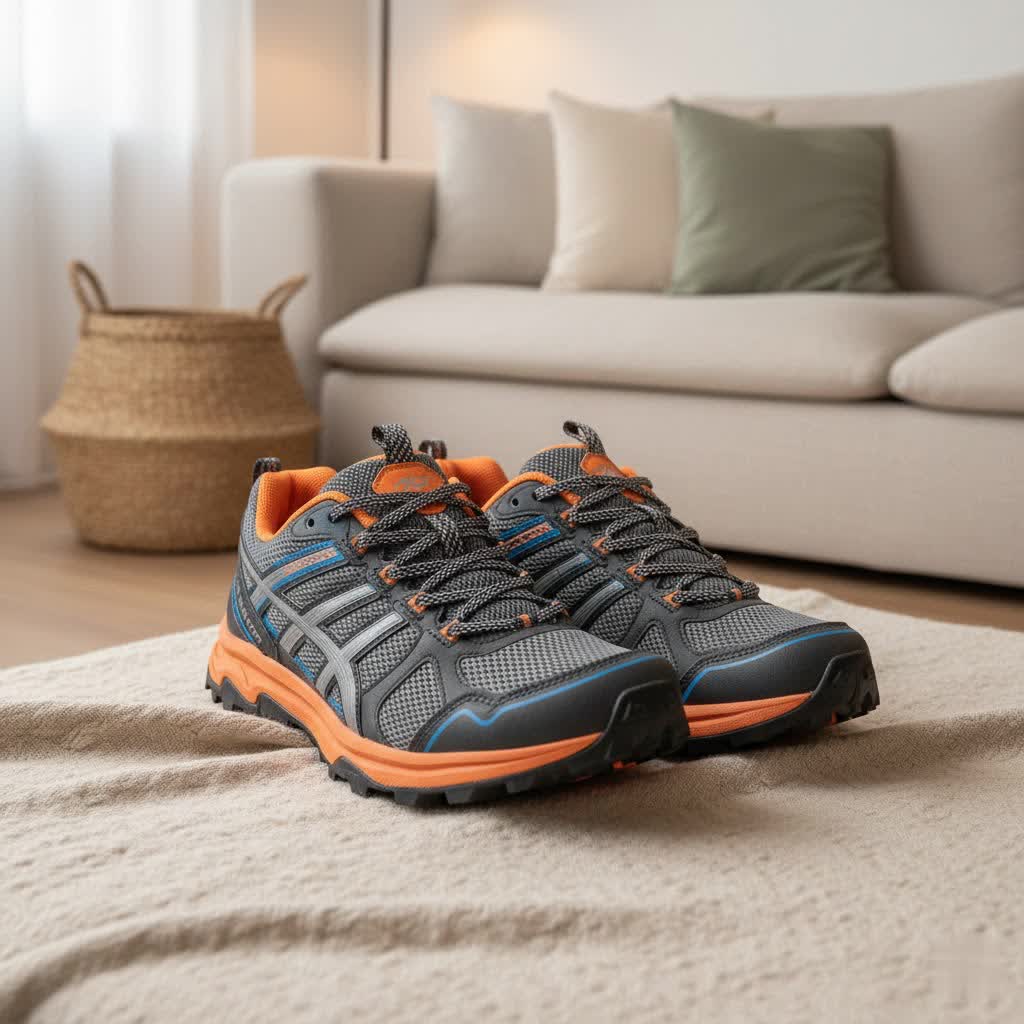
Understanding Nike’s Core Running Shoe Technologies
Nike’s reputation for innovation is built on a foundation of cutting-edge technologies designed to enhance performance and comfort. Understanding these innovations is key to selecting the right shoe.
Nike Air & Zoom Air:
At its heart, Nike Air technology uses pressurized air encapsulated within a durable, flexible membrane to absorb impact and then return to its original shape. This provides unparalleled cushioning and reduces stress on your joints. Zoom Air, an evolution of this concept, integrates tightly stretched fibers inside the air units, allowing for even faster, more responsive energy return. This “snap-back” sensation makes Zoom Air ideal for speed and agility, often found in the forefoot of performance-oriented shoes.
React & ReactX Foam:
Nike React foam is engineered for an incredibly soft yet highly responsive ride. It’s a thermoplastic elastomer (TPE) foam that delivers exceptional energy return, helping to propel you forward with each stride while maximizing cushioning. React foam is also celebrated for its durability, maintaining its performance characteristics over long distances. Recently, Nike introduced ReactX foam, an upgraded version that claims to be even bouncier and more responsive, all while achieving a lower carbon footprint.
ZoomX Foam:
Considered Nike’s premium cushioning, ZoomX foam is derived from aerospace technology, making it the brand’s lightest, softest, and most responsive foam. It boasts an impressive energy return of approximately 85%, providing a bouncy, energetic feel. Originally developed for elite racing shoes, ZoomX is now also incorporated into some high-end training models for a supremely cushioned and protective ride, especially beneficial for recovery runs and long distances.
Flyknit & AtomKnit Uppers:
Beyond cushioning, the shoe’s upper plays a vital role in fit and comfort. Nike’s Flyknit technology involves a woven upper design where yarn is knitted tightly in some areas for support and more loosely in others for flexibility and breathability. AtomKnit is an even lighter, more refined version, often seen in Nike’s top-tier racing shoes, providing an incredibly secure yet featherlight embrace around the foot. Both technologies create a seamless, sock-like fit that minimizes bulk and irritation.
Carbon Fiber Plates:
For runners chasing personal bests, Nike’s carbon fiber plates are a game-changer. Embedded within the midsoles of their fastest racing shoes, these stiff plates work in conjunction with ZoomX foam to provide unparalleled propulsion. They stabilize the shoe and guide your foot through a powerful toe-off, maximizing energy return and making each stride feel more efficient and explosive.
Types of Nike Running Shoes: Finding Your Match
Nike offers a diverse range of running shoes, each meticulously designed for specific purposes and running styles. Identifying your primary running activity will narrow down your options significantly.
Road Running Shoes:
Designed for hard, unforgiving surfaces like asphalt and concrete, road running shoes prioritize cushioning and impact absorption. Models like the Nike Pegasus and Nike Vomero are prime examples, built to safeguard your joints and provide a comfortable, consistent ride over many miles. These shoes typically feature smoother outsoles for optimal grip on pavement.
Trail Running Shoes:
If your adventures take you off the beaten path, trail running shoes are essential. These models, such as the Nike Pegasus Trail and Nike Terra Kiger, are engineered for varied and unpredictable terrain. They feature aggressive outsole lugs for superior traction on mud, rocks, and uneven surfaces, along with more durable uppers and often rock plates for underfoot protection.
Speed & Racing Shoes:
When every second counts, speed and racing shoes are your allies. These lightweight, highly responsive shoes are built for maximum propulsion and efficiency. The Nike Alphafly, Vaporfly, Zoom Fly, and Streakfly series exemplify this category, often featuring carbon fiber plates and Nike’s most energetic foams like ZoomX to help you achieve your fastest times. They are typically lighter, with less emphasis on extreme durability and more on race-day performance.
Stability Running Shoes:
For runners who experience overpronation—where the foot rolls excessively inward after landing—stability shoes provide crucial support. The Nike Structure series is a key player in this category, incorporating features like a firmer midsole or a medial post to guide the foot and prevent overpronation. This helps maintain proper alignment and can reduce the risk of common running-related injuries.
Neutral Running Shoes:
Neutral running shoes are designed for runners whose feet exhibit little to no pronation or supination, meaning their foot rolls naturally. These shoes, including popular options like the Nike Pegasus and Nike Vomero, offer balanced cushioning without added stability elements. They allow the foot to move naturally, providing comfort and protection without interference.
Key Factors When Choosing Your Nike Running Shoes
Selecting the perfect Nike running shoe involves more than just picking an appealing design. Several crucial factors should influence your decision to ensure optimal performance, comfort, and injury prevention.
Foot Type & Pronation:
Understanding your foot’s natural movement is paramount. You can determine your pronation type by observing the wear pattern on your old shoes or by performing a wet test.
- Overpronation: If your foot rolls inward excessively, you’ll benefit from stability shoes like the Nike Structure, which feature support elements to guide your foot’s motion.
- Neutral Pronation: If your foot rolls minimally and efficiently, neutral shoes such as the Nike Pegasus or Vomero are ideal, offering balanced cushioning without additional corrective features.
Running Style & Goals:
Your running habits and aspirations play a significant role in shoe selection.
- Daily Training: For everyday runs and general mileage, look for versatile, cushioned shoes that offer a balance of comfort and durability, such as the Nike Pegasus or Vomero.
- Long Distance/Recovery: For extended efforts or days when your legs need extra care, maximum cushioned shoes with plush foams like the Nike Vomero 18 or Invincible Run Flyknit are excellent choices.
- Speed Work/Racing: If you’re focusing on intervals, tempo runs, or race day, lightweight, responsive shoes with carbon plates, like the Nike Zoom Fly, Vaporfly, or Alphafly, will provide the necessary propulsion.
- Trail Running: For off-road adventures, opt for shoes with aggressive traction, durable uppers, and underfoot protection, such as the Nike Pegasus Trail.
Running Terrain:
Where you primarily run dictates the required features of your shoes.
- Road: For pavement, focus on shoes with high cushioning and smooth outsoles.
- Trail: For dirt paths, rocky trails, or muddy conditions, prioritize aggressive grip, durability, and often water resistance.
Distance:
The typical distance of your runs influences the amount of cushioning and support you’ll need.
- Short to Medium Runs (5K-10K): Lighter, more responsive shoes may suffice, though cushioned daily trainers are also great.
- Longer Runs (Half-Marathon to Marathon): You’ll generally want more cushioning and protection to reduce fatigue and impact over extended periods, making models like the Vomero or Invincible excellent choices.
Budget:
Nike offers a range of shoes across various price points. Determine your budget beforehand. While premium models often boast the latest technologies, there are excellent, dependable options at more accessible price points. Entry-level shoes like the Nike Winflo offer great value for beginners.
Popular Nike Running Shoe Models Explained
Nike’s running shoe lineup features several iconic models, each with distinct characteristics tailored to different running experiences. Understanding these key players will help you identify which one aligns with your needs.
Nike Pegasus Series (e.g., Pegasus 41, Pegasus Premium):
Often dubbed the “workhorse with wings,” the Pegasus is Nike’s most beloved and versatile daily trainer. It’s designed to handle a wide range of runs, from easy jogs to tempo efforts, offering a reliable balance of cushioning, responsiveness, and durability. The latest iterations, like the Pegasus 41, often feature a combination of ReactX foam and Zoom Air units for a smooth yet energetic ride, making it an excellent all-around choice for beginners and experienced runners alike.
Nike Vomero Series (e.g., Vomero 18, Vomero Plus):
The Vomero series represents Nike’s commitment to maximum cushioning and premium comfort. Ideal for long runs, recovery days, and runners seeking a supremely plush experience, the Vomero 18 combines soft ZoomX foam with resilient ReactX foam in the midsole. This blend provides exceptional shock absorption and a remarkably smooth, stable ride that protects the body on extended efforts. It’s a top choice for those prioritizing comfort and protection.
Nike Structure Series (e.g., Structure 26):
For runners who require enhanced support to manage overpronation, the Nike Structure is the go-to stability shoe. It integrates technologies designed to guide the foot and prevent excessive inward roll, providing a secure and stable platform. The Structure series offers a reliable option for daily training for those needing a more supportive ride.
Nike ZoomX Invincible Run Flyknit:
This model is built for ultimate cushioning and comfort, especially for easy runs and recovery efforts. Featuring a generous amount of ZoomX foam, the Invincible Run provides a uniquely soft and bouncy sensation underfoot. Its wider base also contributes to stability, making it a favorite for runners looking to protect their legs and enjoy a plush, forgiving ride on longer recovery miles.
Nike Zoom Fly Series (e.g., Zoom Fly 6):
Positioned as a “super trainer,” the Zoom Fly series offers a taste of racing shoe technology for daily training and tempo runs. It typically features a full-length carbon fiber plate embedded within a dual-density midsole (often combining ZoomX and another sturdy foam like SR-02). This combination provides a propulsive feel, making it suitable for faster training sessions and marathon preparation, offering more durability than an elite racing flat.
Nike Vaporfly & Alphafly Series (e.g., Vaporfly 3, Alphafly 3):
These are Nike’s elite racing shoes, engineered for peak performance on race day. They combine ultra-lightweight ZoomX foam with a full-length carbon fiber plate (and often Zoom Air pods in the Alphafly) to deliver explosive energy return and maximum propulsion. The Vaporfly is renowned for its versatile speed across various distances, while the Alphafly is specifically tuned for marathon dominance, providing an aggressive, highly efficient ride.
Nike Streakfly Series:
Designed for shorter road races like 5K and 10K, the Streakfly is Nike’s lightest racing shoe. It emphasizes a close-to-the-ground feel with just enough ZoomX cushioning and a flexible plate for quick turnover and responsive speed, making it ideal for fast efforts over shorter distances.
Bảng So Sánh Các Thương Hiệu Giày Chạy Bộ Nổi Tiếng
While this article focuses on Nike, it’s helpful to see how it stacks up against other major brands.
| Thương Hiệu | Ưu Điểm | Nhược Điểm | Phân Khúc Giá |
|---|---|---|---|
| Nike | Innovative tech (ZoomX, React, Air, Carbon Plates), stylish designs, wide range for all runners, excellent for speed & racing. | Can be higher priced, some models criticized for durability on uppers. | Mid to High-end |
| Adidas | Durable Boost/Lightstrike foam, responsive, good for daily training and stability. | Designs can be less varied than Nike, some models feel heavier. | Mid to High-end |
| Asics | Renowned for stability and cushioning (GEL technology), excellent for injury prevention, consistent performance. | Often more traditional designs, can feel less “fast” than some competitors. | Mid-range |
| Brooks | Focus on comfort and support, reliable for daily training and long distances, known for plush rides. | Less emphasis on cutting-edge racing tech, designs can be more conservative. | Mid to High-end |
| Hoka One One | Maximalist cushioning (high stack height), extremely comfortable for long distances and recovery, unique rocker geometry. | Distinctive bulky appearance, can feel less “grounded” for some runners. | High-end |
Hướng Dẫn Mua Giày Chạy Bộ
Choosing the perfect pair of Nike running shoes is an investment in your running health and enjoyment. Follow these steps to make an informed decision:
-
Tìm hiểu kỹ về các loại giày và yếu tố quan trọng (Thoroughly Research Shoe Types and Key Factors): Before you even step into a store, use guides like this one to understand the different Nike technologies, shoe types, and how factors like foot type, running style, and terrain affect your choice. Nike even offers an online “Running Shoe Finder” to help personalize recommendations based on your preferences.
-
Đo kích thước chân chính xác (Measure Your Feet Accurately): Foot size can change over time. Have your feet measured by a professional in a running specialty store. Pay attention to both length and width. Remember that running shoes often require a half to a full size larger than your casual shoes to accommodate foot swelling during runs.
-
Thử giày vào cuối ngày (Try Shoes in the Late Afternoon/Evening): Your feet naturally swell throughout the day. Trying on shoes later in the day ensures you get a fit that will be comfortable even when your feet are at their largest during a run.
-
Chạy thử giày trước khi mua (Test Run the Shoes Before Buying): Most specialty running stores allow you to take a short jog on a treadmill or even outside the store. Pay attention to how the shoe feels immediately: Is there any pinching, rubbing, or excessive looseness? Does the cushioning feel right for your foot strike?
-
Tham khảo ý kiến của người có kinh nghiệm (Consult Experienced Individuals): Don’t hesitate to ask store staff who specialize in running shoes. Share your running history, goals, and any past issues or preferences. Their expertise can provide valuable insights and tailored recommendations.
-
Mua giày tại cửa hàng uy tín (Purchase from Reputable Stores): Opt for specialty running stores or authorized Nike retailers. These establishments often have knowledgeable staff and a return policy that allows you to exchange shoes if they don’t perform as expected after a few runs.
Top Giày Chạy Bộ Được Ưu Chuộng Nhất Hiện Nay
Nike’s lineup is constantly evolving, but certain models consistently rank high for their performance across different categories.
- Giày chạy bộ tốt nhất cho người mới bắt đầu (Best Running Shoes for Beginners): The Nike Pegasus 41 is an outstanding choice. It’s versatile, durable, offers reliable cushioning, and provides a balanced ride that’s forgiving enough for new runners learning their stride.
- Giày chạy bộ tốt nhất cho chạy đường dài (Best Running Shoes for Long Distance): The Nike Vomero 18 and Nike ZoomX Invincible Run Flyknit excel here. Their maximal cushioning with ZoomX and ReactX foams provides exceptional comfort and protection, reducing fatigue over many miles.
- Giày chạy bộ tốt nhất cho chạy tốc độ (Best Running Shoes for Speed): For tempo runs and faster training, the Nike Zoom Fly 6 offers a propulsive carbon plate experience. For race day, the Nike Vaporfly 3 or Alphafly 3 are the ultimate choices for breaking personal records.
- Giày chạy bộ tốt nhất cho chạy địa hình (Best Running Shoes for Trail Running): The Nike Pegasus Trail 5 is a top contender, offering a comfortable ride that transitions well from road to trail, with enhanced traction and durability for varied surfaces.
- Giày chạy bộ tốt nhất cho người có bàn chân bẹt (Best Running Shoes for Flat Feet / Overpronation): The Nike Structure 26 is specifically designed to provide the necessary stability and support for runners with flatter arches or those who overpronate, helping to maintain proper foot alignment.
“The right pair of running shoes is your most important piece of equipment, acting as both a foundation for performance and a shield against potential injury. Investing time to choose wisely pays dividends in every stride.”
Kết luận
Choosing the ideal pair of Nike running shoes is a pivotal step towards a more enjoyable and effective running experience. By understanding Nike’s innovative technologies like ZoomX, React, and carbon fiber plates, and considering critical factors such as your foot type, running style, and preferred terrain, you can confidently navigate the brand’s extensive lineup. From the versatile Pegasus to the supremely cushioned Vomero, and the lightning-fast Alphafly, Nike offers a meticulously engineered solution for every runner. Don’t underestimate the impact of well-suited footwear; it’s the foundation upon which your running journey is built. Are you ready to lace up and feel the difference a truly perfect pair of Nike running shoes can make?
Frequently Asked Questions
What is the primary difference between Nike Pegasus and Vomero running shoes?
|
Our Picks for the Best Running Shoes in 2026
As an Amazon Associate I earn from qualifying purchases.
|
||
| Num | Product | Action |
|---|---|---|
| 1 | New Balance Men's Fresh Foam 520 V9 Shoes |

|
| 2 | Nike Women's Revolution 8 Road Running Shoes |
|
| 3 | New Balance Men's Fresh Foam 520 V9 Shoes |
|
| 4 | Nike Women's Revolution 8 Road Running Shoes |
|
| 5 | Nike Women's Revolution 8 Road Running Shoes |
|
| 6 | Brooks Men’s Adrenaline GTS 25 Supportive Running & Walking Shoe |
|
| 7 | Brooks Men’s Adrenaline GTS 25 Supportive Running & Walking Shoe |
|
| 8 | Nike Women's Revolution 8 Road Running Shoes |
|
| 9 | Nike Women's Revolution 8 Road Running Shoes |
|
| 10 | Saucony Men's Cohesion 16 Running Shoes |
|
The Nike Pegasus is a versatile daily trainer known for its balanced cushioning and responsiveness, suitable for a wide range of runs. The Nike Vomero, on the other hand, prioritizes maximal cushioning with a plusher ride, making it ideal for long distances, recovery runs, and runners seeking ultimate comfort and impact protection.
Are Nike running shoes suitable for flat feet?
Yes, Nike offers stability running shoes specifically designed for individuals with flat feet or overpronation. The Nike Structure series is a prime example, incorporating features that provide added support and help guide the foot to prevent excessive inward rolling, promoting better alignment and reducing injury risk.
Which Nike running shoe offers the most energy return?
For the highest energy return, look to Nike’s elite racing shoes such as the Nike Vaporfly and Alphafly. These models integrate Nike’s most responsive ZoomX foam with carbon fiber plates, delivering an explosive, propulsive feel that helps maximize efficiency and speed during races.
How often should I replace my Nike running shoes?
While durability varies by model and individual use, a general guideline is to replace running shoes every 300 to 500 miles (500 to 800 kilometers), or every 6-12 months. Signs like decreased cushioning, loss of support, or visible wear on the outsole can also indicate it’s time for a new pair, regardless of mileage.
Can I use Nike road running shoes for light trails?
Many versatile road running shoes, like the Nike Pegasus, can handle very light, non-technical trails (e.g., packed dirt paths or gravel roads) due to their decent outsole grip and cushioning. However, for more challenging or rugged terrain, a dedicated trail running shoe from Nike, such as the Pegasus Trail, is highly recommended for superior traction, durability, and protection against uneven surfaces.
