Embarking on the journey of running is exhilarating, but navigating the vast world of running shoes can often feel overwhelming. With countless options promising various benefits, finding the “perfect” pair can seem like a marathon in itself. Among the most popular categories are Neutral Running Shoes, designed for a specific stride pattern and offering a unique running experience. This comprehensive guide will demystify neutral running shoes, helping you understand their core characteristics, determine if they’re right for you, and ultimately, find your ideal running companion.
Understanding Neutral Running Shoes
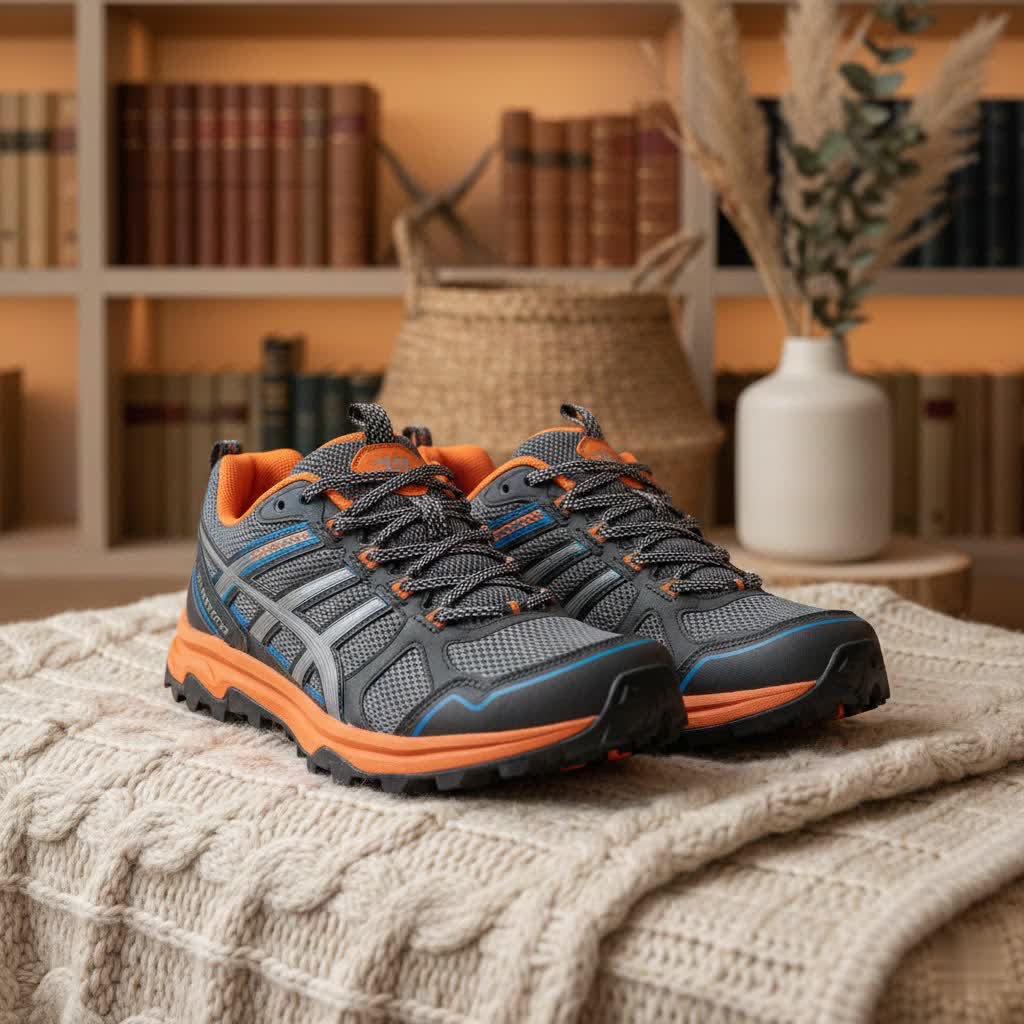
What precisely defines a neutral running shoe? At its core, a neutral running shoe is engineered to complement a runner’s natural gait, providing ample cushioning and flexibility without incorporating features aimed at correcting pronation. Pronation is the natural inward roll of your foot as it strikes the ground, acting as a shock absorber. For runners with a neutral pronation, this roll is balanced and efficient, meaning their feet distribute impact evenly and push off without excessive inward or outward motion.
Unlike stability shoes, which feature structural elements like medial posts to guide the foot and prevent overpronation (excessive inward roll), neutral shoes allow your foot to move freely and follow its inherent biomechanical path. This design choice prioritizes responsive cushioning and a flexible platform, making the shoe feel more nimble and adaptable to your stride. The focus is purely on shock absorption and comfort, letting your foot’s natural mechanics do their job uninterrupted.
Who Should Wear Neutral Running Shoes?
Neutral running shoes are primarily suited for runners who exhibit a neutral pronation pattern. This means your foot lands evenly, rolls slightly inward, and then pushes off from the ball of your foot without significant deviation. They are also an excellent choice for individuals who underpronate, also known as supination, where the foot rolls too far outward during the gait cycle. Since neutral shoes don’t interfere with natural foot movement, they won’t exacerbate the outward roll, providing necessary cushioning without pushing the foot further outward.
Determining your pronation type is crucial for selecting the correct shoe. A common, simple method is the “wet test”: wet your foot and step onto a piece of paper or cardboard. If you see a full impression of your foot with a clear arch, you likely have a neutral arch. Another indicator is examining the wear pattern on your old running shoes. Neutral runners typically show wear evenly across the forefoot and along the center of the heel. For a more accurate assessment, consider a professional gait analysis at a specialized running store, where experts can observe your stride in motion and recommend the best shoe type.
Key Factors When Choosing Your Neutral Running Shoes
Selecting the right neutral running shoe goes beyond just confirming your pronation type. Several other factors play a significant role in ensuring comfort, performance, and injury prevention.
Foot Type & Arch Height
|
Our Picks for the Best Running Shoes in 2026
As an Amazon Associate I earn from qualifying purchases.
|
||
| Num | Product | Action |
|---|---|---|
| 1 | Saucony Men's Cohesion 16 Running Shoes |

|
| 2 | Nike Women's Revolution 8 Road Running Shoes |
|
| 3 | Nike Women's Revolution 8 Road Running Shoes |
|
| 4 | New Balance Men's Fresh Foam 520 V9 Shoes |
|
| 5 | Nike Women's Revolution 8 Road Running Shoes |
|
| 6 | Nike Women's Revolution 8 Road Running Shoes |
|
| 7 | Brooks Men’s Adrenaline GTS 25 Supportive Running & Walking Shoe |
|
| 8 | Nike Women's Revolution 8 Road Running Shoes |
|
| 9 | New Balance Men's Fresh Foam 520 V9 Shoes |
|
| 10 | Brooks Men’s Adrenaline GTS 25 Supportive Running & Walking Shoe |
|
While neutral shoes are ideal for those with neutral or high arches, they are generally not recommended for individuals with flat feet or very low arches, as these foot types often overpronate and require the added support of stability shoes. However, some neutral shoes with minimal arch support can still work for neutral runners with slightly lower arches, as long as overpronation is not an issue.
Running Style & Gait
Your personal running style, whether you’re a heel striker, midfoot striker, or forefoot striker, influences where you need cushioning the most. Neutral shoes cater to all strike patterns by offering balanced cushioning throughout the sole, allowing your foot to land and push off naturally without interference. The flexibility of neutral shoes is particularly beneficial for runners who appreciate a natural feel and uninhibited foot movement.
Terrain
Most neutral running shoes are designed for road running, offering optimal cushioning and traction for paved surfaces, treadmills, and tracks. If your runs frequently take you onto trails, specific trail running shoes, even neutral ones, are recommended. These feature more aggressive outsoles for grip and often reinforced uppers for durability and protection against debris, while still maintaining the neutral philosophy of minimal corrective support.
Distance
The distance of your typical run significantly impacts the level of cushioning you’ll need. For shorter, faster runs or tempo workouts, lighter, more responsive neutral shoes with less cushioning might be preferred for a more direct ground feel. For long distances, marathons, or daily training, shoes with maximum cushioning are often favored to absorb impact over extended periods, reducing fatigue and enhancing comfort.
Budget
Neutral running shoes are available across a wide range of price points, from entry-level models to premium options packed with advanced technologies. While higher-priced shoes often boast cutting-edge foams and materials, excellent neutral options can be found in the mid-range category. It’s important to consider your usage frequency and specific needs; investing in a slightly more expensive pair might be worthwhile if you run frequently or cover long distances.
Popular Brands and Their Neutral Offerings
The running shoe market is flooded with fantastic neutral options from various renowned brands. Each brand often brings its unique philosophy and technology to its neutral shoe lines.
| Brand | Strengths (Neutral Shoes) | Considerations | Typical Price Range |
|---|---|---|---|
| Hoka | Maximum cushioning, plush ride, often oversized soles for superior shock absorption. | Can feel bulky, distinct aesthetic. | Premium |
| Brooks | Known for soft, balanced cushioning and smooth transitions; highly durable. | Some models can be heavier. | Mid-to-Premium |
| Saucony | Responsive and balanced cushioning, often with a good blend of ground feel and protection. | Fit can vary between models. | Mid-to-Premium |
| New Balance | Wide range of fits, comfort-focused with Fresh Foam X technology, versatile. | Some models may lack ultimate responsiveness for speed. | Mid-to-Premium |
| Asics | GEL cushioning for reliable shock absorption and comfort, traditional feel. | Can be perceived as less “modern” in design than some competitors. | Mid-range |
| Nike | Innovative technologies (ZoomX, React), often lightweight and responsive for speed. | Cushioning can be firmer in some models, specialized fit. | Premium |
| Adidas | Boost and Lightstrike Pro foams offer a springy, energetic feel. | Durability concerns in some highly cushioned models. | Mid-to-Premium |
A Step-by-Step Guide to Buying Neutral Running Shoes
Finding your perfect pair of neutral running shoes involves a systematic approach to ensure maximum comfort and performance.
- Research Your Needs: Start by understanding your pronation type, typical running distances, preferred terrain, and any specific comfort requirements. This foundational knowledge will narrow down your options significantly.
- Measure Your Feet Accurately: Foot size can change over time. Get both feet measured, considering length and width. Remember that running shoes often need to be a half to full size larger than your casual shoes to accommodate foot swelling during activity.
- Try Shoes Late in the Day: Your feet swell throughout the day, so trying on shoes in the afternoon or evening will give you the most accurate fit representation for when you run.
- Run a Short Distance in the Store: If possible, jog on a treadmill or a short path in the store. Pay attention to how the shoes feel during movement – do they flex naturally? Is there any pinching or slipping?
- Consult with Experienced Staff: Specialized running stores have staff trained in gait analysis and shoe fitting. Their expertise can be invaluable in guiding you toward models that align with your foot mechanics and preferences.
- Buy from Reputable Retailers: Purchase from stores known for their running shoe selection and customer service. This ensures authenticity and often comes with return policies that allow you to test the shoes further.
Top Neutral Running Shoes for Every Runner
The market offers an array of exceptional neutral running shoes. Here are some categories and examples that consistently receive high praise:
- Best for Beginners: Brooks Ghost and Hoka Clifton. These models offer a balanced blend of cushioning, comfort, and durability, providing a forgiving ride that’s perfect for new runners building their mileage.
- Best for Long Distances: Hoka Bondi and Saucony Kinvara. The Bondi provides maximal cushioning for endless comfort, while the Kinvara offers a lighter, more responsive feel for those who prefer a more agile long-distance shoe.
- Best for Speed/Tempo: Nike Air Zoom Pegasus and Adidas Adios Pro. While the Adios Pro is geared towards race day, the Pegasus offers a fantastic blend of responsiveness and cushioning for faster training runs and tempo efforts.
- Best for Daily Training: Asics GEL-Nimbus and New Balance Fresh Foam X 880. These are workhorse shoes designed for consistent comfort and durability across your daily miles, offering reliable cushioning without being overly soft.
- Best for Wide Feet: Many brands, including Brooks, New Balance, and Hoka, offer popular neutral models in wider widths, ensuring a comfortable and supportive fit for runners who need a little extra room.
“A well-chosen running shoe is more than just footwear; it’s a vital piece of equipment that protects you from injury and enhances your performance.” The right shoe acts as a foundation for every stride, allowing you to focus on your run, not discomfort.
Conclusion
Choosing the right neutral running shoes is a pivotal step towards a more comfortable and injury-free running experience. By understanding what defines a neutral shoe, identifying your pronation type, and considering key factors like terrain and distance, you empower yourself to make an informed decision. Remember that the “best” shoe is ultimately the one that feels best on your feet and supports your unique running style. Take the time to research, try on different models, and consult with experts to find a pair that truly complements your journey. With the perfect neutral running shoes, every mile becomes an opportunity for joy and progress. What adventures will your ideal pair of neutral running shoes take you on next?
Frequently Asked Questions
Are neutral running shoes good for flat feet?
Generally, neutral running shoes are not recommended for individuals with flat feet, as flat feet often lead to overpronation (excessive inward rolling of the foot). Flat-footed runners typically benefit more from stability or motion control shoes that provide extra arch support and guide the foot into a more neutral alignment.
How do I know if I need neutral or stability shoes?
You can determine your needs through a few methods: a wet test to see your arch type, examining the wear pattern on your old shoes (even wear for neutral, inner sole wear for overpronation), or, most accurately, undergoing a professional gait analysis at a specialized running store.
Can neutral shoes cause injuries if I overpronate?
Yes, if you overpronate and wear neutral shoes, you may increase your risk of injuries like shin splints, runner’s knee, or plantar fasciitis. Neutral shoes lack the structural support needed to prevent excessive inward rolling, which can lead to misalignment and strain over time.
What’s the best cushioning level for neutral running shoes?
The best cushioning level depends on your personal preference and running goals. Maximal cushioning offers plush comfort for long distances, while moderate cushioning provides a balanced feel for daily training. Minimal cushioning offers a more responsive, natural ground feel, often preferred for speed work or shorter runs.
How often should I replace my neutral running shoes?
Most running shoes, including neutral models, should be replaced every 300 to 500 miles, or approximately every 4 to 6 months if you run regularly. This guideline can vary based on your weight, running style, and the terrain you frequent, as cushioning and support degrade over time.
