Every runner knows the feeling: that moment when your feet hit the pavement, and you immediately regret your shoe choice. Whether it’s a nagging ache, a blister forming, or simply a lack of support, unComfortable Running Shoes can turn a joyful activity into a painful chore. But what if every run could feel like gliding on clouds? What if you could find that perfect pair that cradles your feet, absorbs impact, and propels you forward without a second thought? The right comfortable running shoes are more than just footwear; they are your most vital piece of equipment, safeguarding your body and enhancing your performance. This comprehensive guide will navigate the world of comfortable running shoes, exploring what truly defines comfort, the different types available, key factors for selection, and top recommendations to help you find your ideal running partner for every stride.
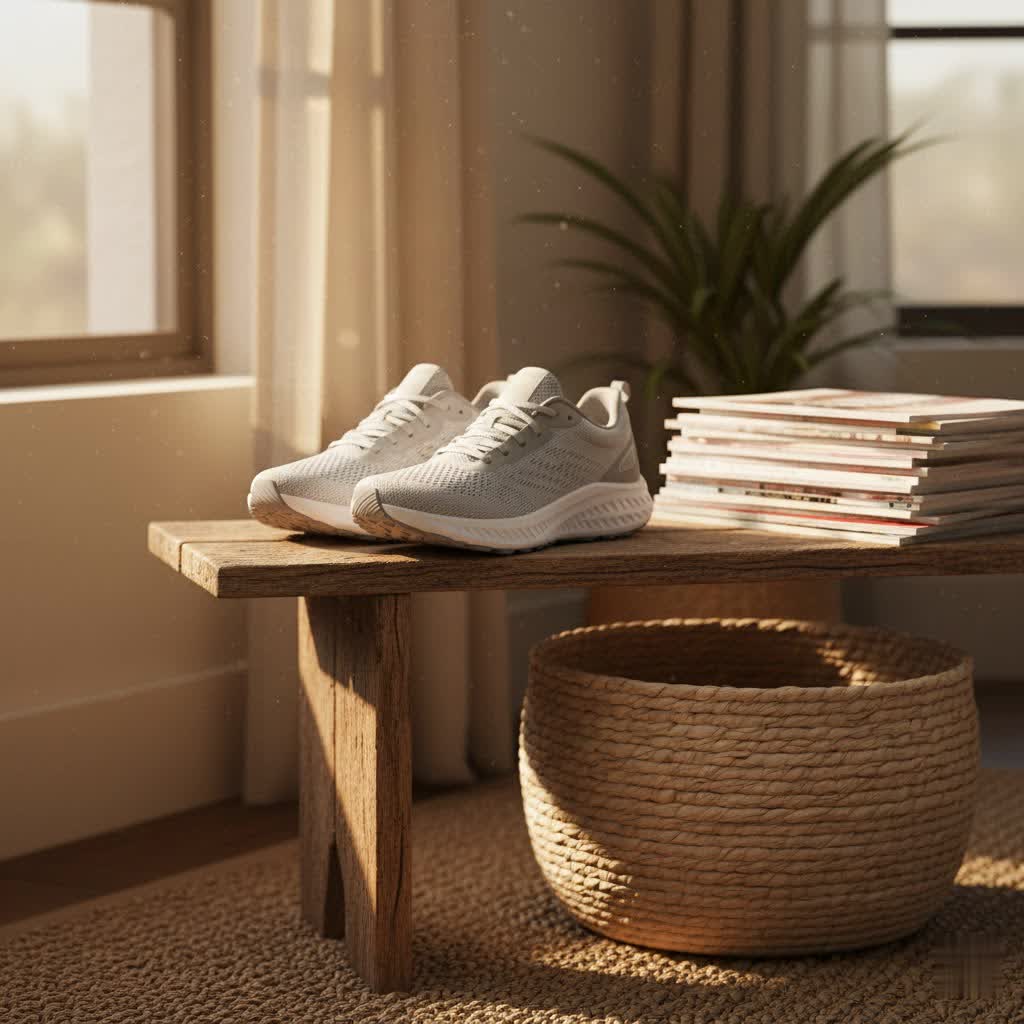
What Makes a Running Shoe Truly Comfortable?
Comfort in running shoes is a deeply personal and multifaceted experience, but several key features consistently contribute to that “ah, this-is-it” sensation. Understanding these elements is the first step toward finding your perfect pair.
Cushioning: The Foundation of Comfort
The most significant factor for many in comfort is cushioning, primarily found in the shoe’s midsole. This layer of foam absorbs impact and provides a protective barrier between your foot and the ground.
- Midsole Foam: The type and density of foam are critical. Softer foams, often measured with a durometer, provide a plush, “floating” sensation. RunRepeat, a shoe testing lab, recommends midsoles scoring 20 on the Shore A durometer or less for optimal comfort. However, exceptionally soft foams might compromise stability, as more energy can be lost in the “squish” rather than propelling you forward. Conversely, firmer midsoles offer a more responsive and faster feel, ideal for speed work, but might be less comfortable for daily easy miles.
- Stack Height: This refers to the thickness of the foam underfoot.
- Minimal Cushion: Offers a more natural, ground-feel experience, usually with less than 20mm of foam.
- Moderate Cushion: Balances protection and ground feel, typically ranging up to 30mm.
- Maximum Cushion: Features substantial foam layers, often exceeding 34mm and even 40mm, providing exceptional impact absorption and a “floaty” ride. These are often preferred for long distances and recovery runs.
- Shock Absorption: Beyond just softness, effective shock absorption is crucial for comfort and injury prevention. It refers to the midsole’s ability to dampen impact forces efficiently. Lab tests show that good shock absorption, especially for heel strikers, should be at least 120 SA (Shock Absorption) to protect your legs from stress during landings.
|
Our Picks for the Best Running Shoes in 2026
As an Amazon Associate I earn from qualifying purchases.
|
||
| Num | Product | Action |
|---|---|---|
| 1 | New Balance Men's Fresh Foam 520 V9 Shoes |

|
| 2 | Nike Women's Revolution 8 Road Running Shoes |
|
| 3 | Nike Women's Revolution 8 Road Running Shoes |
|
| 4 | Brooks Men’s Adrenaline GTS 25 Supportive Running & Walking Shoe |
|
| 5 | Nike Women's Revolution 8 Road Running Shoes |
|
| 6 | Saucony Men's Cohesion 16 Running Shoes |
|
| 7 | Brooks Men’s Adrenaline GTS 25 Supportive Running & Walking Shoe |
|
| 8 | New Balance Men's Fresh Foam 520 V9 Shoes |
|
| 9 | Nike Women's Revolution 8 Road Running Shoes |
|
| 10 | Nike Women's Revolution 8 Road Running Shoes |
|
Fit: Your Foot’s Perfect Embrace
A shoe can have the most advanced cushioning, but if it doesn’t fit properly, it won’t be comfortable.
- Proper Sizing: Running shoes should generally be about a half to a full size larger than your regular shoes to accommodate foot swelling during runs. Aim for a thumb’s width of space between your longest toe and the end of the shoe.
- Secure Lockdown: Your heel should feel secure without slipping, and the midfoot should be snug without pinching. The upper should hug your foot, providing support without excessive pressure.
- Toe Box: The front part of the shoe needs ample room for your toes to splay naturally. A cramped toe box can lead to blisters and discomfort, especially on longer runs. Some brands design “foot-shaped” toe boxes to allow this natural movement.
- Width: Some runners require wider shoe options (e.g., 2E or 4E for men, D for women) if standard widths feel too restrictive.
Upper Materials & Padding: The Soft Touch
The shoe’s upper, which wraps around your foot, also plays a significant role in comfort.
- Breathability: Uppers typically use mesh or knit fabrics to allow air circulation, keeping your feet cool and preventing hotspots. While knit uppers can feel very soft, they sometimes offer less breathability than traditional mesh.
- Padding: A well-padded tongue prevents “lace bite” by cushioning the top of your foot from the laces’ pressure. Padded heel collars also enhance comfort and help stabilize the heel. Race shoes often minimize padding to reduce weight, while daily trainers and stability shoes tend to have more plushness.
Flexibility
The flexibility of a running shoe allows for natural foot movement through your gait cycle. While some shoes are designed to be stiffer for responsiveness, many comfortable daily trainers offer good flexibility for a smooth, natural ride.
“A comfortable running shoe isn’t just about soft cushioning; it’s about a harmonious blend of fit, support, and responsiveness that works with your unique biomechanics, not against them.” – Maria Chen, Expert Footwear Specialist
Types of Running Shoes and Their Comfort Profiles
Understanding the different categories of running shoes helps narrow down options based on your specific needs and preferences.
Road Running Shoes
Designed for hard, even surfaces like pavement and concrete. They feature lightweight and flexible uppers for breathability, supportive midsoles to cushion repetitive impact, and flatter outsoles for consistent grip. Their comfort focuses on smooth transitions and shock absorption on unforgiving surfaces.
Trail Running Shoes
Built for uneven terrain, dirt paths, rocks, and roots. These shoes prioritize durability, protection, and grip. They typically have thicker, more resilient uppers, stiffer midsoles (sometimes with rock plates), and aggressive outsole lugs for traction. Comfort here is about protection from hazards and a stable platform.
Stability Running Shoes
Ideal for runners who experience overpronation (where the foot rolls excessively inward after landing). Stability shoes incorporate firmer foam or structural elements in specific midsole areas to guide the foot and prevent over-rolling, thereby reducing the risk of injury. The comfort comes from controlled motion and support.
Neutral Running Shoes
Suited for runners with neutral pronation or supination (foot rolls outward). These shoes allow the foot to follow its natural motion path without added correction. While they lack specific stabilizing features, many neutral shoes offer a wide base or integrated plates to provide inherent stability. Comfort emphasizes natural movement and ample cushioning.
Daily Trainers
These are your workhorse shoes, designed for everyday runs, from easy jogs to moderate efforts. They offer a balanced blend of cushioning, durability, and a comfortable fit. Many runners look for daily trainers that provide a “light feel and generous cushioning” for versatility across paces and distances.
Max-Cushion Running Shoes
Characterized by their exceptionally thick midsoles, these shoes prioritize maximum comfort and impact absorption. They create a “floating” sensation, ideal for long runs, recovery, or for runners who simply prefer a very plush feel underfoot. Examples include the Brooks Glycerin series and Hoka Bondi models.
Speed and Race Shoes
While comfort is still important, these shoes often prioritize lightweight design, responsiveness, and energy return to help you run faster. They may feature thinner uppers and specialized foams, sometimes with carbon fiber plates. While still comfortable, they might trade some plushness for a more aggressive, propulsive feel.
Key Factors When Choosing Comfortable Running Shoes
Selecting the perfect comfortable running shoe involves considering your unique biomechanics, running habits, and preferences.
Your Foot Type and Arch Support
- High Arches: May benefit from more cushioning to absorb shock, as their feet tend to be less flexible. Neutral shoes are often a good starting point.
- Flat Feet: Often require more stability and arch support to prevent overpronation. Stability shoes with medial support can be beneficial.
- Neutral Arches: Typically do well in neutral shoes, focusing on cushioning and fit.
Your Pronation Pattern
- Neutral Pronation: The foot rolls slightly inward to absorb impact. Neutral shoes are best.
- Overpronation: The foot rolls too far inward. Stability shoes with corrective support are recommended.
- Supination (Underpronation): The foot rolls outward. Neutral shoes with good cushioning are generally best, as stability features might restrict natural movement.
Your Running Style (Foot Strike)
The way your foot lands (heel, midfoot, or forefoot strike) can influence your preference for heel-to-toe drop.
- Heel Strike: May prefer shoes with a higher heel-to-toe drop (more than 8mm), which often have more cushioning in the heel.
- Midfoot/Forefoot Strike: Often prefer lower-drop shoes (5-8mm or 4mm and less, including zero-drop) which encourage a more natural, flatter landing. Be cautious when transitioning to low or zero-drop shoes, as they can increase stress on the Achilles tendon.
Running Terrain
- Roads/Pavement: Road running shoes are designed for consistent, hard surfaces, focusing on cushioning and smooth outsoles.
- Trails/Off-road: Trail shoes need enhanced grip, durability, and protection against obstacles.
- Track/Treadmill: Can use road shoes, but some prefer lighter, more flexible options.
Distance and Frequency
- Long-Distance/High-Mileage: Requires shoes with maximum cushioning and durability to withstand repeated impact and provide lasting comfort.
- Short Runs/Speed Work: Lighter, more responsive shoes with good energy return might be preferred, even if they have less overall cushioning.
- Recovery Runs: Max-cushioned shoes are excellent for these slower, easier efforts to give your legs maximum protection and comfort.
Budget
Comfortable running shoes are available across various price points. While premium models often boast advanced technologies and lighter materials, excellent comfortable options exist in mid-range categories. Focus on fit and essential comfort features within your budget.
Bảng So Sánh Các Thương Hiệu Giày Chạy Bộ Nổi Tiếng
Here’s a comparison of popular running shoe brands known for their comfort and performance.
| Brand | Key Strengths | Potential Drawbacks | Recommended For |
|---|---|---|---|
| Nike | Innovative tech, responsive, stylish, breathable | Often higher price, some lighter models less durable | Speed, racing, responsive feel, fashion-forward runners |
| Adidas | Durable outsoles, responsive Boost cushioning | Can be heavier in some models, some designs less breathable | Daily training, durability, versatile use, casual wear |
| ASICS | Plush cushioning, excellent stability, shock absorption | Designs can be more traditional, some heavier models | Stability, long runs, high-mileage training, impact protection |
| Brooks | Max cushioning (Glycerin), smooth ride, beginner-friendly (Ghost) | Newer max-cushion models can be stiffer than predecessors | Everyday miles, long runs, heel strikers, reliable comfort |
| Hoka One One | Exceptional maximal cushioning, plush, good shock absorption | Distinctive “chunky” aesthetic, can feel bulky for some | Max cushioning, recovery runs, long distances, joint protection |
| Saucony | Balanced cushioning, versatility, energetic feel | Some models lack extreme plushness, can be firm | Versatile daily training, moderate cushioning, responsive feel |
| New Balance | Fresh Foam cushioning, stability options, versatile | Can be less stable with very soft midsoles | Daily training, stability, varied needs, wide foot options |
| Topo Athletic | Wide, anatomical toe boxes, natural foot splay, lightweight | Lower drop might not suit all heel strikers | Wide feet, natural feel, easy long runs, foot health focus |
| Mizuno | Great shock absorption, high stack height (Neo Vista), smooth ride | Ultra-soft midsoles may lack stability for severe pronators | Recovery, shock absorption, long wear hours, neutral runners |
Guide to Buying Your Next Comfortable Running Shoes
Finding the perfect pair is an art, but these practical steps will significantly improve your chances of success.
- Understand Your Needs: Before you even look at shoes, consider your running goals, typical distances, preferred terrain, and any past injury history.
- Get Your Feet Measured: Foot size can change over time. Have both feet measured, as one might be slightly larger.
- Shop at the End of the Day: Your feet swell throughout the day, reaching their largest size in the evening. Trying shoes on then helps ensure they won’t feel too tight later.
- Wear Your Running Socks and Orthotics: Always try on shoes with the same type of socks you typically run in, and bring any custom orthotics if you use them, as they impact fit.
- Try On Both Shoes and Walk/Jog Around: Walk or ideally jog a bit in the store to get a feel for the cushioning and fit. Your foot should feel secure with no slipping at the heel and enough room in the toe box for your toes to wiggle.
- Don’t Judge by Looks Alone: While aesthetics are appealing, prioritize how the shoe feels on your foot over its color or style. An uncomfortable shoe, no matter how good it looks, won’t serve you well.
- Consult with Experts: Specialty running stores have trained footwear specialists who can assess your gait, foot type, and help you find brands and models that align with your needs.
- Replace Regularly: Running shoes generally last between 300 to 500 miles. Pay attention to signs of wear like reduced cushioning, uneven outsole wear, or new aches and pains.
Top Comfortable Running Shoes for Various Needs
While comfort is subjective, certain models consistently receive high praise for their plush feel and supportive designs.
- Best Overall Max-Cushioned: The Brooks Glycerin 22 is often lauded for being exceptionally cushioned, offering protective and supportive comfort for any distance or footstrike. Its upper is delightfully breathable, and the outsole offers excellent durability.
- Best Daily Trainer: The ASICS Novablast 5 stands out with its light feel and generous, springy cushioning. It’s versatile for various paces and distances, boasting a plush foam that’s softer than average.
- Best for Stability and Comfort: The ASICS Gel Kayano 32 proves that stability doesn’t mean sacrificing comfort. It provides adaptive support, superb impact protection, and excellent traction, making it ideal for overpronators seeking plushness.
- Best for Wide Feet: The Topo Atmos offers an ultra-spacious toe box, making it an excellent choice for runners with wider feet or bunions, combining cushioned, surefooted, and lightweight comfort.
- Best for Shock Absorption: The Mizuno Neo Vista 2 prioritizes leg recovery with abundant cushioning and outstanding shock absorption, significantly reducing the impact of road running.
- Best for Durability and Comfort: The Adidas Ultraboost 5X delivers a responsive and stable experience with remarkable wear resistance, making it a durable yet exceptionally comfortable option for everyday use.
- Great for Beginners: Models like the Saucony Ride 18 and Brooks Ghost 16 are frequently recommended for new runners due to their balanced cushioning, reliable support, and forgiving ride.
Conclusion
Choosing the right comfortable running shoes is a critical investment in your running journey. It impacts not only your performance but also your enjoyment and overall health, helping to prevent injuries and extend your active lifestyle. By understanding the nuances of cushioning, fit, shoe types, and considering your individual needs, you can confidently navigate the vast array of options. Remember, the “perfect” shoe is the one that feels best on your feet, from the moment you lace them up to the end of your longest run. Don’t be afraid to experiment, try on different models, and listen to what your feet tell you. Finding that ideal pair of running shoes can truly transform your running experience, turning every stride into a step of pure comfort and joy.
What steps will you take today to find your most comfortable running shoes?
Frequently Asked Questions
How often should I replace my comfortable running shoes?
Running shoes typically last between 300 to 500 miles, or roughly every 4-6 months for regular runners. However, this can vary based on your weight, running style, and the shoe’s construction. Look for signs of wear like decreased cushioning, worn-out tread, or new aches and pains in your body as indicators it’s time for a new pair.
Can comfortable running shoes also be fast?
Absolutely! While maximum cushioning sometimes adds weight, advancements in foam technology and the integration of responsive plates (like carbon fiber) mean many comfortable shoes now offer excellent energy return and a propulsive feel. Shoes like the ASICS Megablast are designed to be both exceptionally comfortable and electrifyingly fast for race day.
What is the best type of cushioning for comfortable running shoes?
The “best” cushioning depends on personal preference and running needs. Softer foams (like those in max-cushioned shoes) are ideal for recovery and long-distance comfort, while firmer, more responsive foams are better for speed and efficiency. Many comfortable shoes now use a blend of foams to offer both softness and responsiveness.
How do I know if my running shoes fit correctly for comfort?
A correct fit is crucial for comfort. Ensure you have about a thumbnail’s width of space between your longest toe and the end of the shoe. Your heel should feel secure with no slipping, and the midfoot should be snug but not tight. Your toes should have enough room to wiggle freely in the toe box.
Are more expensive running shoes always more comfortable?
Not necessarily. While higher-priced shoes often feature advanced technologies, lighter materials, and innovative foams, comfort is highly subjective. A moderately priced shoe that perfectly matches your foot shape and running style can be far more comfortable and beneficial than an expensive pair that doesn’t fit your specific needs. Prioritize fit and feel over price tag.
