Finding the right pair of running shoes can be a game-changer, transforming every run from a chore into an exhilarating experience. For men, Nike offers a vast and diverse selection, from daily trainers built for comfort to high-performance racing flats designed for speed. With over a decade of experience in running footwear, I understand the intricacies that make a shoe perfect for you. This guide will explore the essential factors and top Nike models to help you find your ideal running companion, whether you’re logging everyday miles or chasing a new personal best.
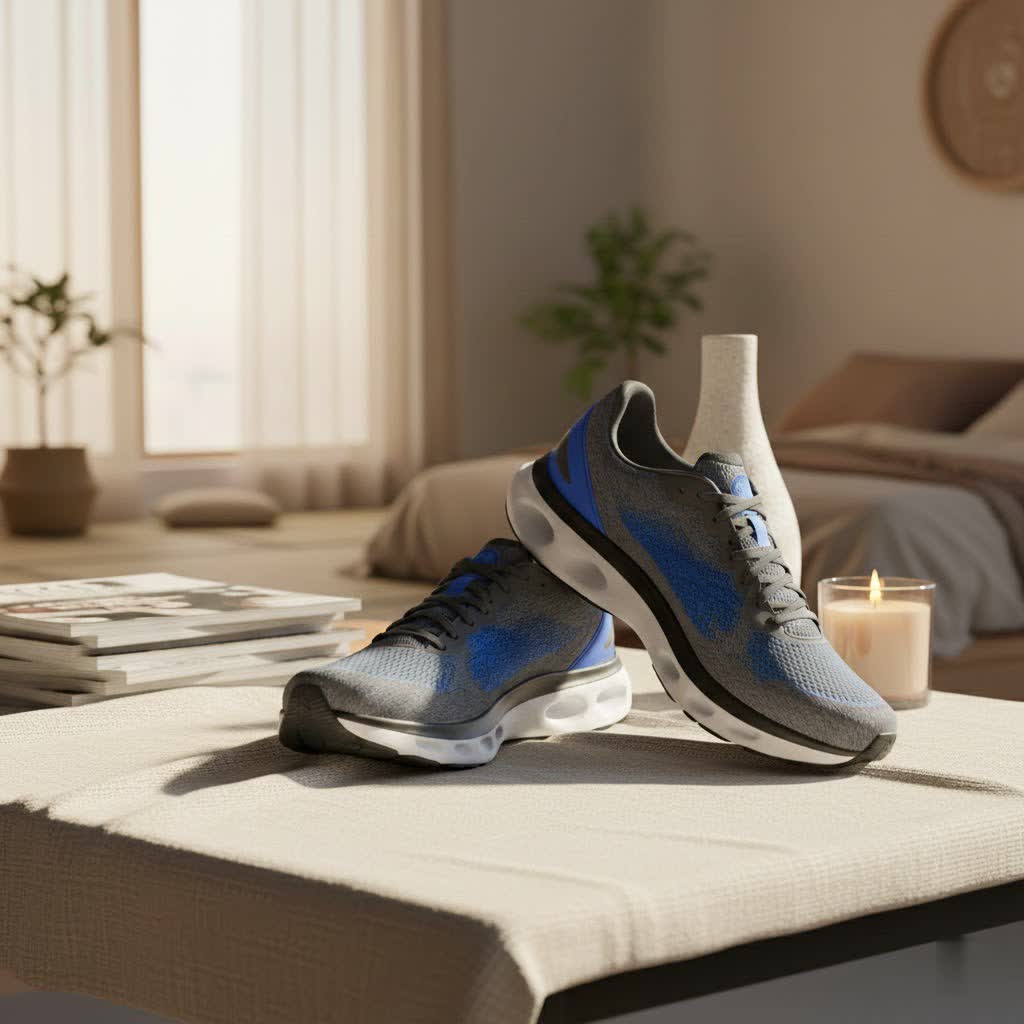
Understanding Popular Nike Running Shoe Categories
Nike’s running shoe lineup caters to a spectrum of needs and running styles. Understanding these categories is the first step toward narrowing down your choices.
Road Running Shoes: Daily Trainers, Cushioned, and Stability
Most Nike running shoes are designed for road surfaces, including pavement, asphalt, and treadmills. These shoes prioritize cushioning, durability, and a smooth ride for consistent mileage.
- Nike Pegasus Series (e.g., Pegasus 41, Pegasus Plus): The Pegasus is Nike’s most iconic and versatile neutral daily trainer, known for its balanced cushioning and ability to handle various paces and distances. The Pegasus 41 features ReactX foam and Air Zoom units for a blend of plushness and energy return, making it an excellent all-rounder for everyday runs and even light dirt roads. The Pegasus Plus steps up with ZoomX foam for a lighter, more responsive feel.
- Pros: Versatile, good value, handles multiple surfaces, balanced cushioning.
- Cons: May require a break-in period (Pegasus 41), can be heavy for speedwork.
- Nike Vomero Series (e.g., Vomero 18, Vomero Plus): For runners seeking maximum cushioning and exceptional shock absorption, the Vomero line is Nike’s premium offering. The Vomero 18 combines ZoomX foam with ReactX for a softer, more comfortable ride, ideal for recovery runs and long distances. The Vomero Plus, with its full ZoomX midsole, delivers superb shock absorption and an energetic bounce.
- Pros: Maximum cushioning, excellent for long runs and recovery, stable ride.
- Cons: Heavier, might be less versatile for faster paces.
- Nike Structure Series (e.g., Structure 26): Designed for runners who need stability to counter overpronation (excessive inward rolling of the foot), the Structure provides supportive cushioning and a wider platform to guide the foot into a more neutral stride. The Structure 26 features ReactX foam, offering impact protection primarily for heel strikers.
- Pros: Good stability for overpronators, comfortable for daily use, durable.
- Cons: Less springy than neutral shoes, limited breathability.
|
Our Picks for the Best Running Shoes in 2026
As an Amazon Associate I earn from qualifying purchases.
|
||
| Num | Product | Action |
|---|---|---|
| 1 | New Balance Men's Fresh Foam 520 V9 Shoes |

|
| 2 | Brooks Men’s Adrenaline GTS 25 Supportive Running & Walking Shoe |
|
| 3 | Nike Women's Revolution 8 Road Running Shoes |
|
| 4 | Brooks Men’s Adrenaline GTS 25 Supportive Running & Walking Shoe |
|
| 5 | Nike Women's Revolution 8 Road Running Shoes |
|
| 6 | New Balance Men's Fresh Foam 520 V9 Shoes |
|
| 7 | Nike Women's Revolution 8 Road Running Shoes |
|
| 8 | Saucony Men's Cohesion 16 Running Shoes |
|
| 9 | Nike Women's Revolution 8 Road Running Shoes |
|
| 10 | Nike Women's Revolution 8 Road Running Shoes |
|
Trail Running Shoes: Grip and Protection for Off-Road Adventures
Nike’s trail shoes are built for off-road surfaces, featuring deeper lugs for traction and enhanced foot protection.
- Nike Pegasus Trail Series (e.g., Pegasus Trail 5): This is a highly versatile trail shoe, capable of handling mixed surfaces from dirt singletrack to gravel and paved roads. The Pegasus Trail 5 utilizes ReactX foam for comfort and efficiency, along with an All Terrain Compound (ATC) outsole for improved grip.
- Pros: Excellent for mixed-surface runs, comfortable upper, good traction.
- Cons: Might lack a rock plate for highly technical terrain.
- Nike Kiger Series (e.g., Kiger 10): A lighter, faster trail shoe suitable for daily training and trail racing, the Kiger 10 offers excellent traction with a Vibram Megagrip outsole and a forefoot rock plate for protection. Its lower stack height provides a more agile, ground-feel experience.
- Pros: Fast, light, nimble, excellent traction, good durability.
- Cons: Relatively narrow toe box.
Speed and Racing Shoes: Engineered for Performance
These shoes are specifically designed to maximize speed and energy return for races and tempo workouts, often featuring carbon fiber plates and lightweight, responsive foams.
- Nike Alphafly Series (e.g., Alphafly 3): Nike’s top-tier road racing shoe, the Alphafly 3 is renowned for its unmatched energy return, immense comfort, and revolutionary stability. It features dual Air Zoom units, a full-length carbon plate, and ZoomX foam, making it ideal for marathons and setting personal records.
- Pros: Exceptional energy return, lightweight, fast, comfortable for long races.
- Cons: Very expensive, outsole durability might be a concern for heel strikers.
- Nike Vaporfly Series (e.g., Vaporfly 4): A pioneer in carbon-plated super shoes, the Vaporfly 4 offers outstanding energy return, making it excellent for 5K, 10K, and half-marathon races. Its ZoomX midsole and spoon-shaped Flyplate provide a snappy, propulsive ride.
- Pros: High energy return, ultralight, great for shorter road races.
- Cons: Narrow midfoot and heel, less ideal for full marathons than Alphafly.
- Nike Streakfly Series (e.g., Streakfly 2): Designed for 5K/10K races and track workouts, the Streakfly 2 is incredibly lightweight and flexible, featuring a ZoomX midsole for snappy performance.
- Pros: Feather-light, ideal for short-distance races and speedwork, high energy return.
- Cons: Not for heel strikers, limited stability, less durable outsole for daily use.
- Nike Zoom Fly Series (e.g., Zoom Fly 6): A versatile option for tempo training and competition, the Zoom Fly 6 incorporates a dual-density midsole (ZoomX and SR-02 foam) with a full-length carbon plate for stability and durability. It’s a “grower” shoe that delivers a consistent and responsive ride for long training sessions.
- Pros: Good for marathon training and tempo runs, stable, durable.
- Cons: Not as bouncy as elite racing shoes.
Key Factors When Choosing Nike Running Shoes
Selecting the perfect Nike running shoe involves considering several personal and environmental factors.
Foot Type: Neutral, Overpronation, or Supination
Your foot’s natural motion is crucial.
- Neutral: If your foot rolls inward moderately to absorb impact, most neutral shoes like the Nike Pegasus or Vomero are suitable.
- Overpronation: If your foot rolls inward excessively, you may benefit from stability shoes, such as the Nike Structure series, which provide added support to guide your foot.
- Supination (Underpronation): If your foot rolls outward, you’ll generally do well with neutral shoes that offer plenty of cushioning, as your foot already has a high arch and natural stability.
Running Style and Goals: Distance, Pace, and Terrain
- Everyday Training: For daily runs and logging consistent miles, look for durable, well-cushioned shoes like the Nike Pegasus 41 or Vomero 18.
- Long Runs/Recovery: Max-cushioned options like the Nike Vomero Plus are excellent for protecting your legs on longer efforts and recovery days.
- Speedwork/Tempo Runs: Shoes with responsive foams and potentially a plate, such as the Nike Zoom Fly 6 or Pegasus Premium, will help you pick up the pace.
- Racing (Short Distances): The Nike Streakfly 2 is designed for optimal performance in 5K/10K races.
- Racing (Marathon/Ultras): For the ultimate race day performance over long distances, the Nike Alphafly 3 is a top choice.
- Trail Running: If you frequent varied terrain, the Nike Pegasus Trail 5 or Kiger 10 will offer the necessary grip and protection.
Cushioning and Foam Technology
Nike utilizes several proprietary foams:
- ZoomX: Nike’s lightest, softest, and most responsive foam, derived from aerospace technology, offering up to 85% energy return. It’s typically found in high-end racing and premium training shoes like the Alphafly and Vomero Plus.
- React/ReactX: React foam (Thermoplastic Elastomer – TPE) is lightweight, soft, and durable, designed for cushioning and energy return. ReactX is an upgraded version, claimed to be bouncier, more responsive, and have a lower carbon footprint. You’ll find it in models like the Pegasus 41 and Structure 26.
- Cushlon 3.0: Nike’s base-level EVA-based foam, often used in more affordable models like the Nike Winflo 11, providing reliable cushioning.
The amount of cushioning is a personal preference, but generally, more cushioning is recommended for harder surfaces to protect bones and joints.
Fit and Sizing
A proper fit is paramount for comfort and injury prevention.
- Toe Box: Ensure enough room for your toes to flex and splay comfortably. Nike running shoes like the Alphafly 3 and Ultrafly tend to have higher toe boxes.
- Heel and Midfoot: Your heel and midfoot should feel snug but not overly tight.
- Timing: Try shoes on in the afternoon or evening, as feet tend to swell throughout the day.
- Thumb’s Width Rule: Aim for a thumb’s width between your longest toe and the end of the shoe.
Budget
Nike offers a range of shoes at different price points:
- Budget-Friendly: Models like the Nike Winflo 11 ($110) offer good value and performance for everyday runs.
- Mid-Range: The Pegasus 41 ($145) and Structure 26 ($145) provide excellent versatility and specific support without breaking the bank.
- Premium/Racing: High-performance shoes like the Alphafly 3 ($295) and Vaporfly 4 ($270) represent a significant investment but offer elite-level technology.
Comparison of Popular Nike Running Shoes for Men
| Model | Key Features | Ideal Use Case | Cushioning Type | Price (approx.) |
|---|---|---|---|---|
| Pegasus 41 | ReactX foam, Air Zoom units, versatile outsole | Everyday training, mixed surfaces | Balanced (Responsive) | $145 |
| Vomero 18 | ZoomX + ReactX foam, max cushioning, stable | Long runs, recovery, maximum comfort | Maximum cushioning (Plush) | $155 |
| Structure 26 | ReactX foam, wide platform, stability features | Daily training, overpronation | Stability | $145 |
| Pegasus Trail 5 | ReactX foam, All Terrain Compound outsole, breathable upper | Trail running, mixed surfaces | Balanced (Responsive) | $155 |
| Alphafly 3 | ZoomX foam, dual Air Zoom units, full-length carbon plate, Atomknit upper | Road racing (marathon, ultras) | Maximum cushioning (Race) | $295 |
| Vaporfly 4 | ZoomX foam, spoon-shaped Flyplate, lightweight | Road racing (5K, 10K, half-marathon) | Responsive (Race) | $270 |
| Streakfly 2 | ZoomX foam, ultralight, highly flexible, carbon-fiber plate | 5K/10K racing, track workouts | Responsive (Race) | $190 |
| Zoom Fly 6 | Dual-density (ZoomX + SR-02) midsole, full-length carbon plate | Tempo runs, marathon training | Responsive (Training) | $180 |
| Winflo 11 | Cushlon 3.0 foam, Zoom Air unit, durable outsole, sustainable materials | Budget-friendly daily training | Moderate cushioning | $110 |
Expert Buying Guide for Your Next Pair of Nike Running Shoes
Choosing the right running shoes can significantly impact your performance and prevent injuries. Follow these steps to ensure you pick the best Nike running shoes for your needs.
- Understand Your Needs First: Before anything else, consider your primary running surface (road, trail, track), typical distances, and desired pace. Are you training for a race, logging easy miles, or seeking a stability solution?
- Determine Your Foot Type and Pronation: If possible, visit a specialty running store to have your gait analyzed. An expert can help identify if you have neutral pronation, overpronation, or supination, guiding you towards appropriate stability or neutral shoes.
- Prioritize Comfort and Fit: Comfort is subjective, but paramount. As Nike scientists at the Sport Research Lab found, comfort and cushioning are key. Always try shoes on, preferably at the end of the day when your feet are slightly swollen, to ensure a snug yet comfortable fit without any pinching or slipping. Ensure a thumb’s width space at the toe.
- Consider Cushioning Level: For harder surfaces or longer runs, more cushioning (like in the Vomero series) can offer better impact protection. For a more responsive, “ground feel” experience, a shoe with less stack height might be preferred.
- Test Them Out: If purchasing in-store, take a short jog on a treadmill or around the store. Pay attention to how the shoes feel during various movements.
- Read Reviews and Expert Opinions: While personal preference is key, insights from experienced runners and detailed lab tests (like those from RunRepeat) can provide valuable information on a shoe’s performance, durability, and fit characteristics.
- Don’t Break the Bank Unnecessarily: While top-tier racing shoes offer advanced tech, you don’t always need the most expensive option. Excellent versatile daily trainers like the Pegasus 41 offer great value and performance for most runners.
- Replace Regularly: A general guideline is to replace running shoes every 300 to 500 miles, as cushioning and support degrade over time.
“A good pair of running shoes will help you avoid injury and improve your training efficiency.”
Top Nike Running Shoes for Men by Category (Current Favorites)
- Best Overall Daily Trainer: Nike Pegasus 41. Offers a great balance of comfort, versatility, and value for everyday runs on various surfaces.
- Best for Maximum Cushioning: Nike Vomero 18 or Vomero Plus. Ideal for long runs, recovery days, and those who prioritize plush comfort.
- Best for Speed and Racing (Marathon): Nike Alphafly 3. The pinnacle of Nike’s racing technology for elite performance over long distances.
- Best for Speed and Racing (5K/10K): Nike Streakfly 2 or Vaporfly 4. Ultralight and snappy for shorter, faster efforts.
- Best for Stability: Nike Structure 26. Provides reliable support for runners needing to manage overpronation.
- Best for Trail Running: Nike Pegasus Trail 5. A versatile option for mixed-surface trail adventures.
- Best Budget Option: Nike Winflo 11. Offers solid performance and cushioning at a more accessible price point.
Conclusion
Choosing the ideal pair of Nike running shoes for men is a journey that blends personal preference with informed decision-making. By understanding the distinct characteristics of popular Nike models—from the versatile Pegasus to the ultra-fast Alphafly—and considering factors like foot type, running goals, cushioning, and fit, you can confidently select shoes that elevate your running experience. Remember, the best shoe is the one that feels most comfortable and supports your unique running style. Invest wisely, and you’ll find a trusted partner for countless miles ahead.
What are your most important criteria when choosing your next pair of Nike running shoes?
Frequently Asked Questions
What are the best Nike running shoes for men with flat feet?
Men with flat feet often experience overpronation and may benefit from stability shoes. The Nike Structure 26 is specifically designed with features like a wider platform and supportive foam to help guide the foot into a more neutral stride, making it a strong choice for those needing extra support.
How often should I replace my Nike running shoes?
A general rule of thumb is to replace your running shoes every 300 to 500 miles. However, this can vary based on your running style, weight, and the type of terrain you run on. Regularly inspect your shoes for signs of wear and tear, especially in the outsole and midsole, as degraded cushioning can increase the risk of injury.
What is the difference between Nike React and ZoomX foam?
Nike React foam is a lightweight, soft, and durable cushioning designed for a balance of impact absorption and energy return. ZoomX, on the other hand, is Nike’s most premium foam, derived from aerospace technology, offering superior lightness, softness, and exceptional energy return (up to 85%). ZoomX is typically found in Nike’s top-tier racing and performance training shoes.
Are Nike running shoes good for wide feet?
While many Nike running shoes come in standard widths, some popular models like the Nike Pegasus 41 and Nike Winflo 11 are available in extra-wide sizes to accommodate runners with wider feet. It’s always recommended to check specific model availability and try on shoes to ensure a comfortable fit.
Can I use Nike road running shoes for light trail running?
Many versatile Nike road running shoes, such as the Pegasus 41, can handle light dirt and gravel roads effectively due to their durable outsoles and balanced cushioning. However, for more technical trails with rocks, roots, or mud, dedicated trail running shoes like the Nike Pegasus Trail 5 or Kiger 10 are recommended for their deeper lugs, enhanced traction, and greater foot protection.
