Imagine the sensation of effortlessly gliding over any surface, your feet cushioned and propelled forward with every stride. This is the promise Hoka running shoes deliver, revolutionizing the running world with their distinctive maximalist design. For years, runners sought minimalist shoes, but Hoka dared to defy convention, proving that generous cushioning could lead to a lighter, faster, and more comfortable ride. Whether you’re a seasoned marathoner, a casual jogger, or someone simply seeking enhanced comfort for daily walks, diving into the diverse world of Hoka can feel overwhelming. This comprehensive guide aims to demystify Hoka’s innovative lineup, helping you pinpoint the perfect pair to match your unique needs and running aspirations.
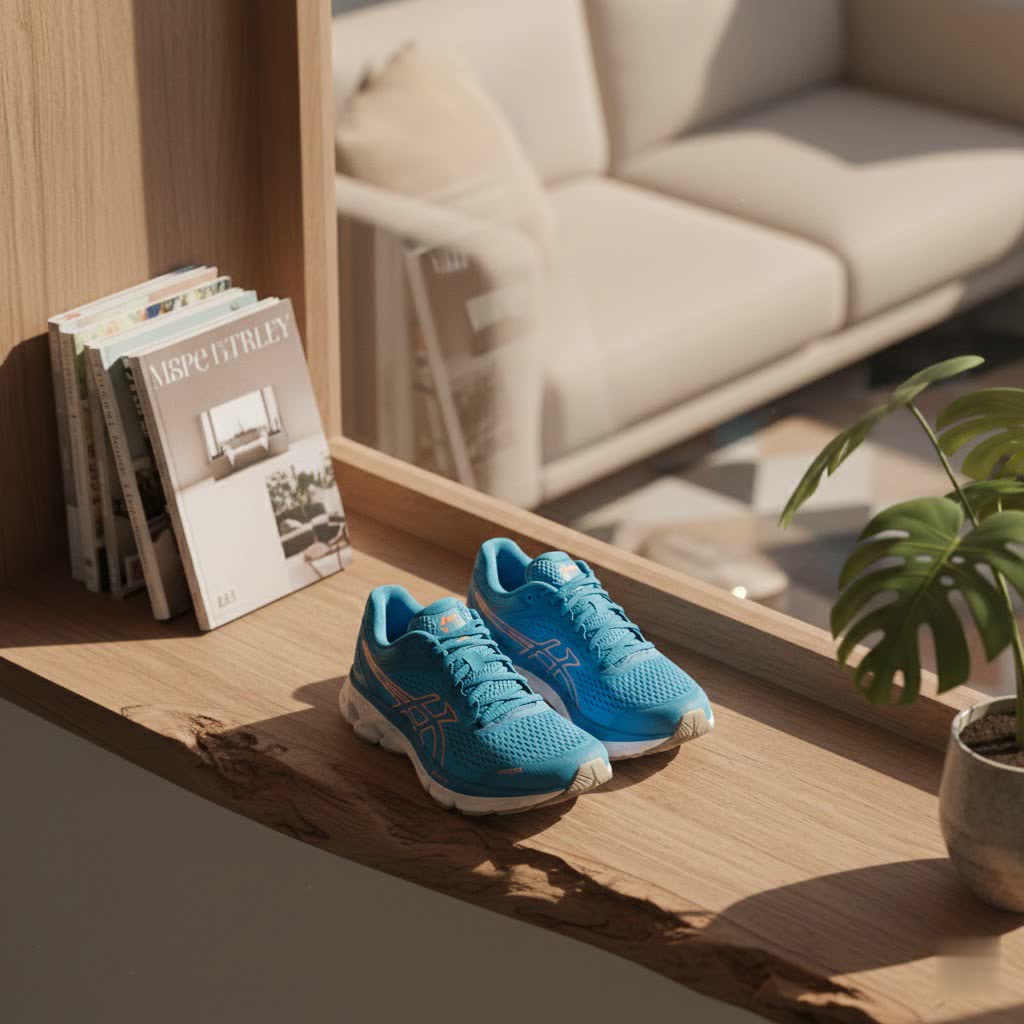
Selecting the Perfect Hoka Running Shoes: An A-Z Guide
Hoka’s philosophy centers on making running feel easier and more enjoyable through superior cushioning and smart design. This approach has led to a diverse range of shoes, each engineered for specific purposes, yet all sharing the brand’s core DNA. Understanding these categories is the first step in finding your ideal companion.
Popular Hoka Running Shoe Categories
Hoka offers specialized footwear tailored to different demands of the running journey, from tackling urban pavements to conquering rugged mountain trails.
Road Running Shoes
Designed for hard, unforgiving surfaces, Hoka’s road shoes prioritize plush cushioning and smooth transitions. They typically feature smoother outsoles for optimal grip on asphalt and concrete.
- Characteristics: High stack height, responsive foam, often integrated Meta-Rocker for a rolling sensation.
- Pros: Exceptional shock absorption, reduced impact on joints, comfortable for long distances, often lightweight despite their size.
- Cons: Can feel bulky for some, less ground feel compared to minimalist shoes.
- Examples: Clifton, Bondi, Mach, Rincon, Rocket X, Skyward X.
Trail Running Shoes
Built to navigate unpredictable terrain, Hoka trail shoes offer enhanced traction, durability, and protection against rocks and roots. Their outsoles feature aggressive lugs for superior grip.
- Characteristics: Durable uppers, protective overlays, multi-directional lugs on the outsole, often a wider base for stability.
- Pros: Excellent grip on varied surfaces, robust protection, cushioning to absorb uneven impacts, stable over technical trails.
- Cons: Can be heavier, less flexible than road shoes, lugs wear faster on pavement.
- Examples: Speedgoat, Torrent, Mafate Speed, Challenger ATR.
Speed & Race Day Shoes
When every second counts, Hoka’s speed-focused models combine lightweight construction with propulsive technologies like carbon fiber plates and energetic foams to help you achieve your personal best.
- Characteristics: Highly responsive midsoles, often carbon fiber plates, minimal upper design for weight savings, aggressive Meta-Rocker.
- Pros: Designed for fast paces, provide significant energy return, lightweight, enhance running economy.
- Cons: Less durable for daily training, cushioning might feel firm for recovery, higher price point.
- Examples: Mach, Rocket X, Cielo X.
Stability Running Shoes
For runners who experience overpronation (where the foot rolls excessively inward), Hoka offers stability shoes that gently guide the foot through a more neutral gait cycle without feeling intrusive.
- Characteristics: Feature technologies like J-Frame™ or H-Frame™ to provide support, wider base for inherent stability, responsive cushioning.
- Pros: Reduce excessive pronation, minimize injury risk, offer a balanced blend of cushioning and support, comfortable for various paces.
- Cons: Can feel slightly stiffer than neutral shoes, may not be necessary for neutral runners.
- Examples: Arahi, Gaviota.
Neutral Running Shoes
If your foot maintains a relatively straight path from heel strike to toe-off, neutral shoes provide cushioning and flexibility without additional motion control. Hoka’s neutral offerings are known for their plush, unrestrained feel.
- Characteristics: Maximally cushioned midsoles, flexible forefoot, focus on comfort and shock absorption.
- Pros: Unrestricted feel, ideal for efficient gaits, extremely comfortable for long distances and recovery runs.
- Cons: Do not offer corrective support for pronation issues.
- Examples: Clifton, Bondi, Rincon.
|
Our Picks for the Best Running Shoes in 2026
As an Amazon Associate I earn from qualifying purchases.
|
||
| Num | Product | Action |
|---|---|---|
| 1 | Brooks Men’s Adrenaline GTS 25 Supportive Running & Walking Shoe |

|
| 2 | Nike Women's Revolution 8 Road Running Shoes |
|
| 3 | Brooks Men’s Adrenaline GTS 25 Supportive Running & Walking Shoe |
|
| 4 | Nike Women's Revolution 8 Road Running Shoes |
|
| 5 | Nike Women's Revolution 8 Road Running Shoes |
|
| 6 | Saucony Men's Cohesion 16 Running Shoes |
|
| 7 | New Balance Men's Fresh Foam 520 V9 Shoes |
|
| 8 | Nike Women's Revolution 8 Road Running Shoes |
|
| 9 | New Balance Men's Fresh Foam 520 V9 Shoes |
|
| 10 | Nike Women's Revolution 8 Road Running Shoes |
|
Important Factors When Choosing Hoka Running Shoes
Selecting the ideal Hoka pair goes beyond just looks. Consider these crucial factors to ensure a perfect match for your unique biomechanics and running habits.
Foot Type & Pronation
Understanding how your foot moves during your stride is paramount.
- Neutral Arch/Supination: If your foot doesn’t roll inward excessively, or even rolls slightly outward (supination), a neutral cushioned shoe like the Clifton or Bondi is typically best. Hoka’s Active Foot Frame cradles the foot deeply within the midsole, providing inherent stability regardless of formal “stability features.”
- Overpronation: For those whose feet roll too far inward, Hoka’s stability models like the Arahi (featuring the J-Frame™ technology) or Gaviota (with H-Frame™) offer targeted support to mitigate overpronation without resorting to rigid posts, ensuring a smooth, guided ride.
Running Style & Goal
Your typical run type greatly influences shoe choice.
- Daily Training & Easy Runs: Look for shoes with abundant, plush cushioning for comfort and protection over everyday miles. The Clifton and Bondi are stalwarts in this category.
- Recovery Runs: Max-cushioned options like the Bondi are excellent for absorbing impact and providing a gentle ride, aiding muscle recovery.
- Tempo Runs & Speedwork: Responsive and lighter shoes, often with a more aggressive Meta-Rocker, such as the Mach or Rincon, will help you pick up the pace efficiently.
- Racing: For pushing limits, carbon-plated shoes like the Rocket X or Cielo X are engineered for maximum propulsion and speed on race day.
Terrain
Where you run dictates the outsole and overall construction.
- Road Running: Smooth outsoles and maximal cushioning for consistent, hard surfaces (e.g., Clifton, Bondi).
- Trail Running: Aggressive, multi-directional lugs for grip and durable uppers for protection on uneven, technical paths (e.g., Speedgoat, Torrent).
- Mixed Terrain/Road-to-Trail: Hybrid options like the Challenger ATR offer a balance of features suitable for both road sections and light trails.
Distance
The length of your runs impacts the cushioning and support needed.
- Short to Mid-Distance (Daily): Versatile shoes like the Clifton or Rincon offer a great balance of cushion and responsiveness.
- Long Distance & Marathons: Prioritize shoes with ample, durable cushioning to maintain comfort over many miles. The Bondi or Clifton are popular choices, while the Skyflow is also designed for extended comfort.
- Ultra-Marathons: Extreme cushioning and protection, especially in trail models like the Speedgoat or Mafate Speed, are crucial for endurance events.
Budget
Hoka offers shoes across various price points, typically ranging from mid-tier to premium.
- Entry-Level/Value: Models like the Rincon can offer a great introduction to Hoka’s signature feel without breaking the bank.
- Mid-Range: The Clifton and Arahi sit comfortably here, providing excellent value for daily training and specific needs.
- Premium/Performance: Carbon-plated racers and super-trainers like the Rocket X or Skyward X represent the higher end, reflecting advanced materials and technologies.
Comparing Popular Running Shoe Brands
While Hoka has carved a unique niche, it’s helpful to see how it stands alongside other major players in the running shoe market. Each brand brings its own strengths to the table, catering to diverse runner preferences.
| Brand | Pros | Cons | Price Segment |
|---|---|---|---|
| Nike | Innovative designs, highly responsive foams (ZoomX, React), broad appeal, strong racing lineup | Can be pricey, durability varies across models, some find them narrow | Mid-Premium – High |
| Adidas | Excellent durability, comfortable Boost cushioning, stylish designs, good for daily wear | Some models can be heavy, often less stability-focused than competitors | Mid-Premium – High |
| Asics | Renowned for stability and support, reliable GEL cushioning, anatomical fit | Designs often more traditional, some models can feel firm or heavy | Mid-range – Premium |
| Brooks | Known for plush cushioning, consistent quality, reliable stability features (GuideRails), smooth ride | Can feel less “fast” or exciting than some rivals, less aggressive styling | Mid-range – Premium |
| Hoka | Maximal cushioning, surprisingly lightweight for stack height, Meta-Rocker smooth transitions, joint protection | Bulky appearance, feel can be too soft for some, specific fit may not suit all foot shapes | Mid-Premium – High |
Guide to Buying Hoka Running Shoes
Investing in the right pair of Hoka running shoes can significantly enhance your running experience. Follow these steps to make an informed decision and ensure a perfect fit.
- Research Thoroughly: Begin by understanding the different Hoka models and their intended uses. Read reviews, watch videos, and compare specifications. Knowing the distinctions between a Clifton and a Bondi, or an Arahi and a Gaviota, will narrow down your options significantly.
- Measure Your Feet Accurately: Foot size can change over time, and a well-fitting running shoe is crucial. Have your feet measured by a professional, especially for length and width. Remember that running shoes are often recommended to be a half-size to a full size larger than your casual shoes to accommodate foot swelling during runs.
- Try Shoes On Late in the Day: Your feet swell throughout the day, reaching their largest size in the evening. Trying on shoes at this time ensures they will be comfortable even when your feet are at their maximum volume during a long run.
- Wear Your Running Socks: Bring the type of socks you typically wear for running. The thickness of your socks can affect the fit of the shoe, so testing them together is important for an accurate feel.
- Run or Walk in the Shoes: Don’t just stand in them. Take a few laps around the store, jog on a treadmill if available, or simply walk briskly. Pay attention to how the shoe feels underfoot, the toe box space, and any pressure points. Ensure there’s at least a thumb’s width of space between your longest toe and the end of the shoe.
- Seek Expert Advice: Visit a specialized running store where knowledgeable staff can analyze your gait, recommend suitable models based on your foot strike and pronation, and offer personalized fitting advice. Their experience can be invaluable.
- Purchase from Reputable Retailers: Buy from authorized Hoka dealers or well-known sports retailers to ensure you’re getting authentic products and to benefit from their return policies should the shoes not work out.
Top Hoka Running Shoes For Various Needs
Hoka’s extensive lineup means there’s a perfect shoe for almost every runner and every purpose. Here are some of the most highly-regarded models for specific needs:
- Best for Beginners: Hoka Clifton
The Clifton is often hailed as the quintessential Hoka experience, offering a harmonious blend of plush cushioning, moderate responsiveness, and a smooth ride. It’s incredibly versatile, making it an excellent choice for new runners building their mileage and for experienced runners seeking a reliable daily trainer. - Best for Long Runs & Recovery: Hoka Bondi
If maximum cushioning is your priority, the Bondi reigns supreme. With its enormous stack height and incredibly soft foam, it’s designed to absorb impact like no other, making it ideal for recovery runs, long easy miles, and even extended periods of standing or walking. - Best for Speed & Tempo: Hoka Mach
The Mach series is Hoka’s answer for those seeking a lightweight, energetic, and responsive shoe for faster training efforts. It provides a lively ride without the stiffness of a carbon plate, making it a fantastic option for tempo runs, intervals, and even shorter races. For even more propulsion, the Mach X introduces a Pebax® plate for a super-trainer feel. - Best for Trail Running: Hoka Speedgoat
Named after ultra-runner Karl Meltzer, the Speedgoat is a beast on the trails. It offers exceptional cushioning for long distances on rugged terrain, combined with an aggressive Vibram® Megagrip outsole for tenacious traction and a secure fit to navigate technical paths confidently. - Best for Stability (Overpronation): Hoka Arahi
The Arahi stands out as Hoka’s premier stability shoe, utilizing the innovative J-Frame™ technology to provide dynamic support. This J-shaped band of firmer foam wraps around the heel and medial side of the foot, gently guiding it without feeling overly rigid, offering a stable yet surprisingly smooth and cushioned ride for those needing motion control.
“Choosing the right running shoe is more than just comfort; it’s about optimizing performance and safeguarding your body from the repetitive impact of running. A well-matched shoe is your first line of defense against injury.”
Conclusion
Hoka running shoes have undeniably carved a unique path in the athletic footwear landscape, demonstrating that ample cushioning can coexist with lightweight design and powerful propulsion. From the cloud-like comfort of the Bondi to the trail-dominating grip of the Speedgoat, and the swift responsiveness of the Mach, there’s a Hoka engineered to enhance every facet of your running journey. By understanding your foot type, running goals, and the specific technologies Hoka offers, you can confidently navigate their diverse lineup.
Remember, the perfect Hoka running shoe isn’t a one-size-fits-all solution; it’s a personal discovery. It’s the shoe that feels like an extension of your own body, allowing you to chase new personal bests or simply enjoy the freedom of movement with unparalleled comfort. Ready to experience the difference for yourself? What adventure will your next pair of Hoka running shoes take you on?
Frequently Asked Questions
What makes Hoka running shoes unique?
Hoka running shoes are renowned for their “maximalist” approach, featuring significantly thicker midsoles compared to traditional running shoes. This design provides superior cushioning, exceptional shock absorption, and a smooth, often rockered ride (Meta-Rocker technology) that promotes efficient transitions from heel to toe, all while maintaining a surprisingly lightweight feel.
Are Hoka shoes good for walking?
Absolutely. Many Hoka models, particularly those designed for maximal cushioning like the Bondi and Clifton, are highly regarded for walking. Their abundant cushioning and supportive fit make them incredibly comfortable for long periods of standing, daily strolls, and even for those recovering from foot-related issues, offering excellent relief from impact.
How long do Hoka shoes last?
The lifespan of Hoka running shoes, like any running shoe, depends on factors such as mileage, runner’s weight, gait, and terrain. Generally, Hoka shoes are designed for durability and can last anywhere from 300 to 500 miles. Regular inspection for wear and tear on the outsole and midsole compression can help determine when it’s time for a new pair.
What’s the difference between the Hoka Clifton and Bondi?
Both the Clifton and Bondi are highly popular neutral cushioned shoes, but they cater to slightly different preferences. The Hoka Clifton is known as a versatile daily trainer, offering a balanced blend of plush cushioning, responsiveness, and a relatively lighter feel, suitable for various runs. The Hoka Bondi, on the other hand, is the brand’s max-cushioned offering, prioritizing ultimate softness and shock absorption above all else, making it ideal for recovery runs, long easy efforts, and walking.
Are Hoka shoes good for flat feet?
Yes, Hoka shoes can be an excellent choice for individuals with flat feet. Many Hoka models inherently offer good stability due to their wide platform and the Active Foot Frame™ design, which cradles the foot. For those who also experience overpronation with flat feet, stability models like the Hoka Arahi (with its J-Frame™ support) or the Gaviota (with H-Frame™) are specifically designed to provide gentle, non-intrusive guidance and support.
