Embarking on a running journey or seeking to elevate your current performance? The right pair of running shoes is arguably the most crucial gear you’ll invest in. With countless options flooding the market, from sleek speedsters to plush long-distance companions, the choice can feel overwhelming. But fear not, because understanding the nuances of good running shoes, tailored to your unique needs, is the first step towards a comfortable, injury-free, and enjoyable stride. This comprehensive guide will navigate you through the world of running footwear, helping you pinpoint the ideal partner for your every run.
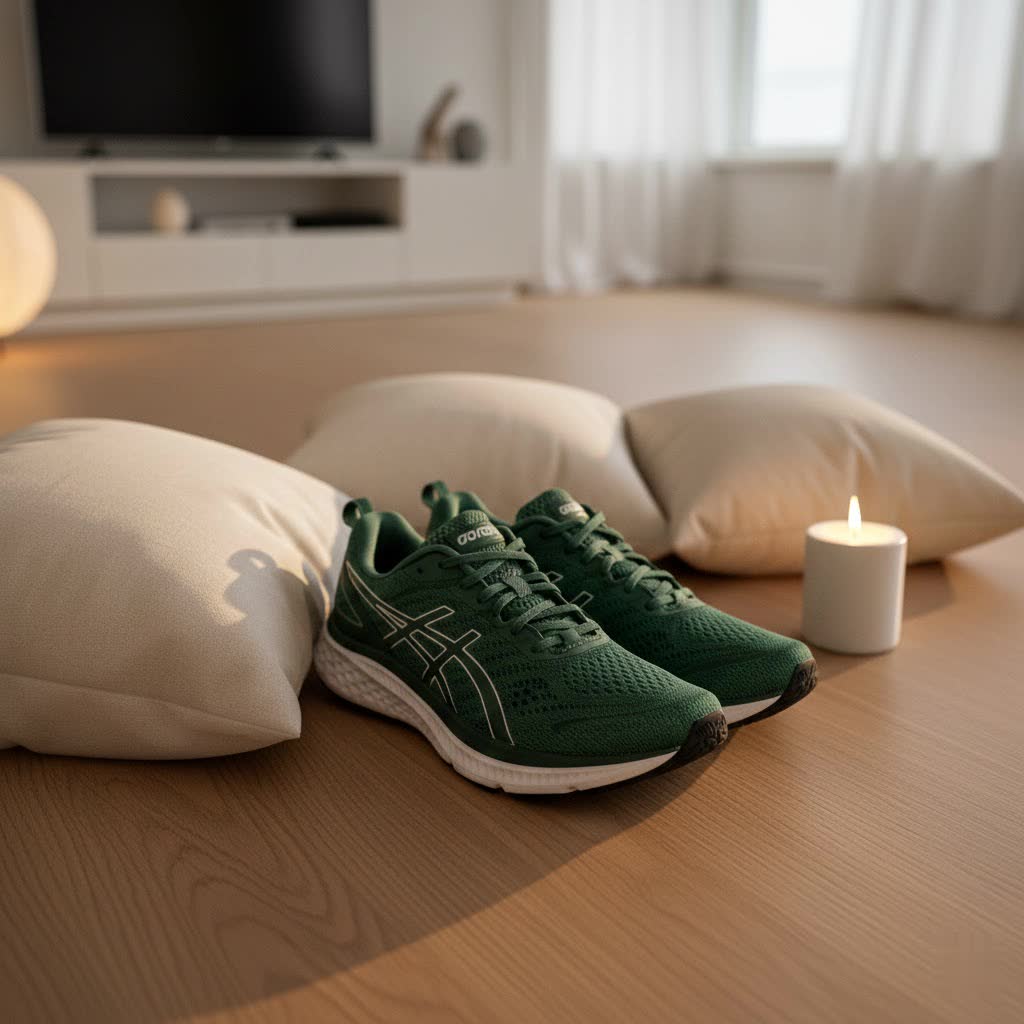
Choosing Your Perfect Running Shoes: A Comprehensive Guide
Selecting the right running shoes is a deeply personal endeavor, influenced by a myriad of factors from your foot’s biomechanics to your running aspirations. Let’s break down the different categories and considerations to empower your decision.
Popular Types of Running Shoes
Running shoes are not one-size-fits-all; they are engineered with specific purposes and running styles in mind. Understanding these categories is fundamental to making an informed choice.
- Road Running Shoes: These are designed for paved surfaces like asphalt and concrete. They typically feature smooth outsoles for optimal traction on even surfaces and prioritize cushioning and flexibility to absorb impact.
- Pros: Excellent shock absorption, comfortable for hard surfaces, often lightweight.
- Cons: Limited grip on trails, can wear down quickly on rough terrain.
- Trail Running Shoes: Built for uneven, natural terrain such as dirt paths, rocks, and mud. They boast rugged outsoles with deep lugs for superior grip, reinforced uppers for protection, and often provide more stability.
- Pros: Enhanced traction and durability on challenging surfaces, good foot protection.
- Cons: Heavier and less cushioned than road shoes, uncomfortable on pavement, higher stack height can increase ankle sprain risk off-road.
- Speed (Tempo/Race Day) Running Shoes: Engineered for performance, these shoes are lightweight, highly responsive, and often incorporate advanced technologies like carbon fiber plates to maximize energy return. They are best for races, track workouts, or tempo runs.
- Pros: Maximize speed and efficiency, provide a propulsive feel.
- Cons: Less durable, often offer minimal cushioning for everyday runs, typically more expensive.
- Stability Running Shoes: These are designed to reduce excessive inward rolling of the foot (overpronation). They feature supportive elements like medial posts or guide rails to provide added structure and prevent the arch from collapsing.
- Pros: Crucial for overpronators to prevent injuries, offer enhanced support and control.
- Cons: Can feel rigid or clunky for runners who don’t need the extra support.
- Neutral Running Shoes: Ideal for runners with neutral pronation or supination (underpronation), these shoes prioritize cushioning and flexibility without additional motion control features. They allow the foot to move naturally.
- Pros: Lightweight, flexible, provide ample cushioning, versatile for various running styles.
- Cons: Insufficient support for overpronators, may not offer enough structure for some foot types.
|
Our Picks for the Best Running Shoes in 2026
As an Amazon Associate I earn from qualifying purchases.
|
||
| Num | Product | Action |
|---|---|---|
| 1 | Nike Women's Revolution 8 Road Running Shoes |

|
| 2 | Nike Women's Revolution 8 Road Running Shoes |
|
| 3 | New Balance Men's Fresh Foam 520 V9 Shoes |
|
| 4 | Brooks Men’s Adrenaline GTS 25 Supportive Running & Walking Shoe |
|
| 5 | Nike Women's Revolution 8 Road Running Shoes |
|
| 6 | Nike Women's Revolution 8 Road Running Shoes |
|
| 7 | New Balance Men's Fresh Foam 520 V9 Shoes |
|
| 8 | Saucony Men's Cohesion 16 Running Shoes |
|
| 9 | Nike Women's Revolution 8 Road Running Shoes |
|
| 10 | Brooks Men’s Adrenaline GTS 25 Supportive Running & Walking Shoe |
|
Important Factors When Choosing Running Shoes
Beyond the general categories, several personal factors play a critical role in determining the right running shoe for you.
- Foot Type (Arch Height & Pronation): Your unique foot structure significantly impacts the type of support you need.
- How to Determine: The “wet foot test” is a simple method. Wet your feet and stand on a piece of paper.
- Neutral Arch (Medium Arch): If you see about half of your arch imprint, you likely have a neutral arch and exhibit neutral pronation (a slight inward roll). You have more freedom in shoe choice and can typically opt for neutral shoes.
- Flat Feet (Low Arch/Overpronation): If you see a full footprint with little to no visible arch, you have flat feet and likely overpronate (your foot rolls excessively inward). Stability or motion control shoes are essential to provide support and correct alignment, preventing potential injuries.
- High Arches (Supination/Underpronation): If your footprint shows a significant gap in the middle or only a thin line connecting the heel and ball of the foot, you have high arches and may supinate (your foot rolls outward). You’ll benefit most from neutral, highly cushioned shoes with ample flexibility to absorb impact.
- How to Determine: The “wet foot test” is a simple method. Wet your feet and stand on a piece of paper.
- Running Style (Gait): How your foot strikes the ground.
- Heel Strikers: Land heel first, requiring extra cushioning in the heel area.
- Forefoot Strikers: Land on the ball of the foot, benefiting from shoes designed to support forefoot mechanics.
- Running Terrain: As discussed, road shoes are for pavement, trail shoes for off-road. Choosing the right outsole for your primary running surface is crucial for traction and durability.
- Running Distance and Purpose:
- Short/Daily Runs: Versatile daily trainers like the Brooks Ghost 17 or New Balance Fresh Foam X 1080 v14 offer balanced cushioning and durability.
- Long Runs/Recovery: Max-cushioned shoes such as the Hoka Clifton 10 or ASICS GEL-Nimbus 27 provide plush comfort and superior shock absorption.
- Speedwork/Racing: Lightweight, responsive, and often plated shoes like the Adidas Adizero Evo SL or Nike Alphafly 3 are built for performance.
- Budget: Running shoes range widely in price. While premium models often boast cutting-edge technology, many excellent options exist across different price segments that deliver great value and performance. Consider what features are most important for your needs versus cost.
Comparison of Popular Running Shoe Brands
Many brands continually innovate to offer diverse footwear. Here’s a brief overview of some leading names:
| Brand | Pros | Cons | Price Segment |
|---|---|---|---|
| Nike | Cutting-edge technology, sleek designs, often leading in speed/race shoes. | Can be expensive, some models may lack durability for high mileage. | Premium |
| Adidas | Responsive cushioning, good durability, versatile range for different runs. | Designs might be less flashy than some competitors, can be heavier. | Mid-to-Premium |
| Asics | Excellent stability and support, renowned GEL cushioning, known for durability. | Designs can be seen as traditional or less modern, heavier models. | Mid-to-Premium |
| Brooks | Superior comfort, reliable daily trainers, favored for smooth rides and long distances. | Less aggressive in design innovation compared to some brands. | Mid-to-Premium |
| Hoka One One | Exceptional maximum cushioning, superior shock absorption, often lightweight despite stack height. | Distinctive bulky aesthetic is not for everyone, typically higher price point. | Premium |
A Practical Guide to Buying Running Shoes
Finding the perfect pair is more than just trying them on. Follow these steps to ensure you make the best choice:
- Do Your Research: Understand the different shoe types and factors discussed above.
- Get Your Feet Measured: Foot size can change, and having accurate measurements (length and width) is crucial.
- Shop Later in the Day: Your feet swell throughout the day, so trying shoes on in the afternoon or evening mimics their size during a run.
- Wear Your Running Socks: Bring the socks you typically run in to ensure the fit is accurate.
- Test Them Out: Walk and run a short distance in the shoes within the store. Pay attention to how they feel, ensuring no rubbing, pinching, or excessive movement.
- Seek Expert Advice: Visit a specialized running store where staff can perform a gait analysis and provide personalized recommendations based on your foot type and running style.
- Don’t Rush: Take your time, compare options, and prioritize comfort above all else. A shoe that feels good from the first step is usually the right one.
Top Running Shoes for Different Needs (Current Favorites)
While models update annually, certain shoes consistently rank high for their performance across various categories. Here are some of the most popular and highly-regarded options from recent years:
- Best Running Shoes for Beginners / Everyday Training:
- Brooks Ghost 17: A perennial favorite known for its balanced cushioning, smooth ride, and versatility, making it ideal for daily miles and new runners.
- New Balance Fresh Foam X 1080 v14: Offers plush cushioning and a comfortable fit, suitable for a wide range of runners and distances.
- Best Running Shoes for Long Runs / Max Cushioning:
- Hoka Clifton 10: Renowned for its generous stack of EVA foam, providing heavenly comfort and excellent shock absorption mile after mile.
- ASICS GEL-Nimbus 27: Delivers endless cushioning and a roomy fit, perfect for long-distance runs and recovery.
- Best Running Shoes for Speed / Race Day:
- Adidas Adizero Evo SL: A lightweight, responsive performance shoe with advanced foam technology, great for speedwork and competitive events.
- Nike Alphafly 3: A top-tier race day shoe, featuring carbon fiber plates and ZoomX foam for maximum propulsion and efficiency.
- Best Running Shoes for Trail Running:
- Altra Lone Peak 9: Known for its balanced cushioning, grip, and foot-shaped design, offering comfort and confidence on technical trails.
- Best Running Shoes for Stability / Flat Feet:
- ASICS Gel-Kayano 30: A long-standing leader in stability, providing exceptional support and cushioning for overpronators.
- New Balance Fresh Foam X 860v14: Offers reliable stability with a comfortable and supportive ride, ideal for runners needing motion control.
“A good pair of running shoes isn’t just footwear; it’s a vital piece of equipment that can prevent injuries, enhance performance, and transform your running experience from a chore into a joy.”
Conclusion
Choosing the right good running shoes is a pivotal decision that impacts your comfort, performance, and overall running health. By understanding your foot type, running style, and the specific demands of your runs, you can confidently navigate the vast array of options. Remember, the “best” shoe isn’t universally defined; it’s the one that perfectly matches your unique needs and helps you achieve your running goals. So, invest wisely, listen to your feet, and get ready to hit the ground running with your ideal companion.
What adventures will your perfect pair of running shoes take you on next?
Frequently Asked Questions
How often should I replace my running shoes?
Most experts recommend replacing running shoes every 300-500 miles (500-800 kilometers) or every 6-12 months, whichever comes first. This guideline can vary based on your weight, running style, terrain, and the shoe’s durability. Pay attention to signs of wear such as reduced cushioning, loss of responsiveness, or new aches and pains.
What’s the difference between neutral and stability running shoes?
Neutral running shoes are designed for runners whose feet exhibit minimal pronation (natural inward roll) or supination (outward roll). They focus on cushioning and flexibility. Stability shoes, conversely, incorporate features like medial posts or guide rails to control excessive inward rolling (overpronation), providing additional support to help align the foot and ankle.
Can I use running shoes for walking?
While running shoes can be comfortable for walking, they are optimized for the higher impact and specific biomechanics of running. Walking shoes generally have more flexibility in the forefoot and stiffer cushioning. For casual walking, running shoes are usually fine, but for dedicated walking programs, specialized walking shoes might offer better long-term comfort and support.
How do I know if I overpronate or supinate?
You can perform a simple “wet foot test” by wetting your feet and stepping onto a piece of paper or a dry surface to see your footprint. A full footprint with little to no arch indicates overpronation (flat feet). A footprint with a very thin line connecting the heel and ball of the foot suggests supination (high arches). A footprint showing about half of your arch is typical for neutral pronation.
