For many runners, the pursuit of a personal best is a constant journey, often seeking any advantage to shave seconds off the clock or extend endurance. This quest for performance has revolutionized running footwear, leading to the rise of carbon plate running shoes. Once exclusive to elite athletes, these “super shoes” are now widely available, promising a noticeable spring in your step and the potential for faster, more efficient runs. But what exactly makes them so special, and are they the right choice to elevate your running experience? This comprehensive guide will explore the science, benefits, drawbacks, and top models to help you navigate the world of carbon plate running shoes and find your perfect race-day companion.
What Are Carbon Plate Running Shoes?
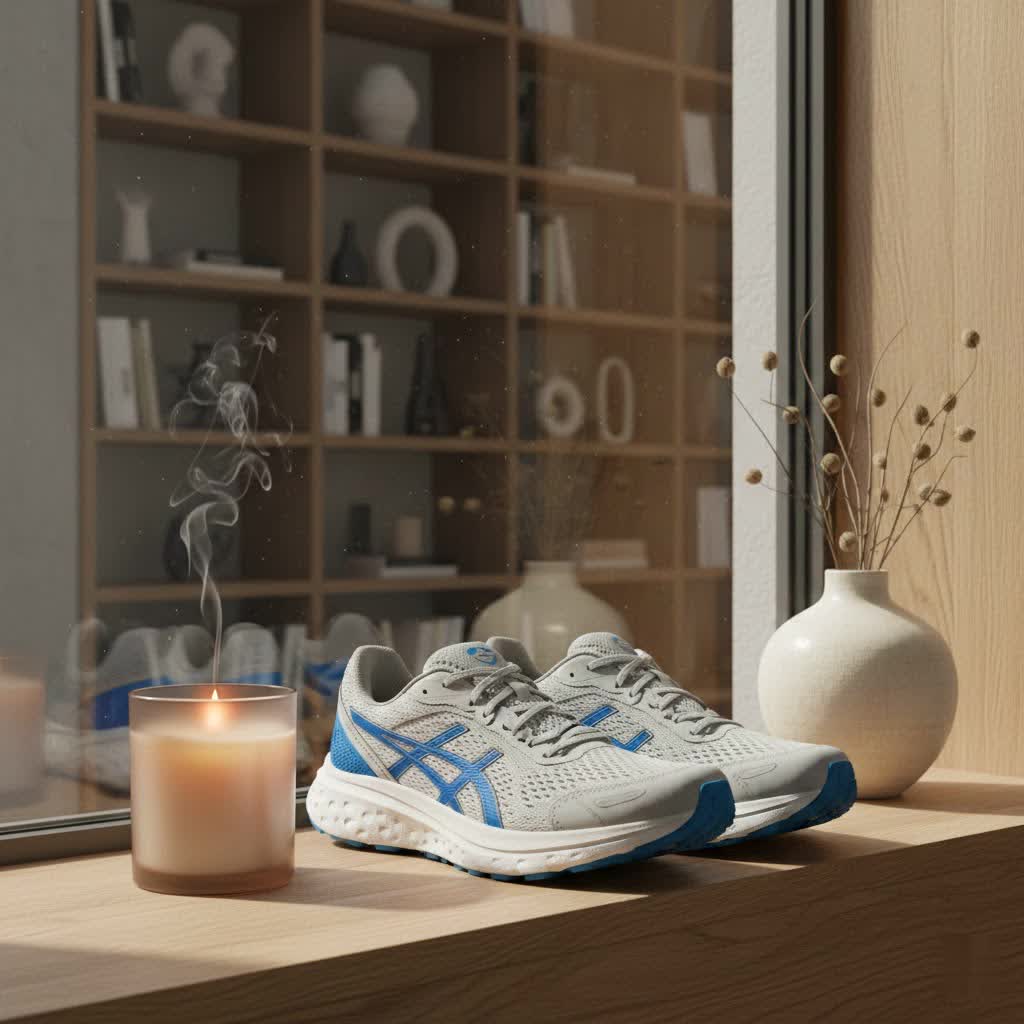
Carbon plate running shoes are an innovative type of athletic footwear characterized by a rigid, thin carbon fiber plate embedded within a thick, highly responsive midsole foam. This combination is often referred to as “super shoes” due to their advanced engineering aimed at maximizing running efficiency and speed. The carbon plate itself is made from lightweight yet exceptionally strong carbon fiber filaments, providing stiffness and structural integrity to the shoe.
The concept gained widespread attention in the mid-2010s, notably popularized by Nike’s Vaporfly series, which demonstrated significant performance gains for elite runners. However, the true innovation lies not just in the plate, but in its synergy with advanced midsole materials, typically PEBA (polyether block amide) foam. This “super foam” is exceptionally soft, lightweight, and offers superior energy return compared to traditional EVA foams, while the carbon plate provides the necessary stability and propulsive leverage.
How Do Carbon Plate Running Shoes Work?
The magic of carbon plate running shoes isn’t sorcery; it’s a clever application of biomechanics and physics designed to optimize a runner’s stride and conserve energy. The integration of the carbon plate with a responsive foam midsole creates a unique system that enhances performance through several mechanisms.
Firstly, the rigid carbon plate acts like a lever. When a runner’s foot strikes the ground, the energy generated is channeled through this plate, which resists flexion at the toes and metatarsophalangeal joints. This stiffness reduces mechanical energy loss that typically occurs during toe-off, effectively redirecting it into forward propulsion.
Secondly, many carbon plate shoes feature a distinct curved sole geometry, known as the “rocker effect.” This design promotes a smoother, more efficient roll of the foot from heel-strike to toe-off. The rocker reduces the workload on the ankle and lower leg muscles, facilitating a quicker transition through the gait cycle and enhancing forward momentum with less effort.
Lastly, the carbon plate also plays a crucial role in stabilizing the inherently soft and bouncy super foams. While these foams provide exceptional cushioning and energy return, their plush nature can lead to instability. The plate counteracts this by providing a firm platform, allowing the runner to harness the foam’s benefits without compromising stability. This combination reduces the amount of oxygen used at a given speed, leading to improved running economy and the sensation of a “spring in your step.”
The Unquestionable Benefits: Why Runners Love Them
Carbon plate running shoes have garnered immense popularity among athletes of all levels, primarily due to their proven ability to enhance performance and improve the overall running experience. The advantages extend beyond just speed, touching on aspects of efficiency and recovery.
The most celebrated benefit is the improved running economy. Studies have consistently shown that these shoes can reduce the energy cost of running by approximately 2-6%. This means runners can maintain a faster pace while expending less energy, translating directly into faster race times and personal bests, particularly over longer distances like marathons. Elite marathoners have seen their times improve significantly since the advent of these shoes, with men’s times improving by an average of 2% and women’s by 2.6% in certain race formats.
Beyond pure speed, many runners report a reduced perceived effort and less muscle fatigue during and after runs. The enhanced energy return and cushioning provided by the super foams and plate reduce the impact on leg muscles, which can lead to faster recovery times after demanding workouts or races. This ability to absorb impact and provide a propulsive feel allows athletes to sustain performance longer.
It’s also important to note that the benefits are not exclusive to elite runners. In fact, some evidence suggests that recreational runners, who may naturally have less efficient biomechanics, could experience an even greater improvement in running economy. This broad appeal means that a wider range of runners can potentially unlock new levels of performance and enjoyment with carbon plate technology.
Potential Downsides & Risks to Consider
While carbon plate running shoes offer compelling advantages, it’s crucial for runners to understand their potential drawbacks and risks before integrating them into their routine. These considerations often revolve around cost, durability, and the impact on a runner’s biomechanics.
One of the most significant concerns for many runners is the high cost and reduced durability. Carbon plate shoes are among the most expensive on the market, often exceeding $200-$300, and their lifespan is typically shorter than traditional running shoes. While conventional trainers might last 300-500 miles, carbon plate shoes may only endure 150-200 miles due to the stress on the plate and the specific foam compounds. This makes them a substantial investment that requires careful consideration.
Another critical aspect is the potential for altered running mechanics and increased injury risk. The stiffness of the carbon plate can change how a runner’s foot moves, potentially increasing stress on certain areas of the foot and lower leg. This shift in load distribution can lead to issues like plantar fasciitis, Achilles tendon strain, IT band syndrome, or even navicular bone stress injuries. The shoes may also cause “underuse injuries” where certain muscles, like ankle extensors, weaken from reduced work. Runners may also experience instability, particularly when cornering, due to the high stack height and soft foams.
Consequently, carbon plate shoes are not ideal for daily training. Overusing them can create muscle imbalances in the feet and lower legs. Instead, experts recommend incorporating them into a diverse shoe rotation, reserving them primarily for races and speed sessions to maximize their benefits and minimize potential risks.
Choosing the Perfect Pair: Key Factors
Selecting the ideal pair of carbon plate running shoes involves more than just picking the latest model. Several factors should influence your decision to ensure the shoes align with your individual needs and running goals.
Firstly, consider your running goals and experience level. Are you an elite runner chasing a podium finish, or a recreational runner aiming for a personal best in a half-marathon? While carbon plate shoes offer benefits to a wide range of runners, the degree of impact can vary. Newer runners or those with a history of injuries might need to approach them with more caution and prioritize stability.
Fit and comfort are paramount. A shoe that doesn’t fit well, regardless of its technology, can lead to discomfort and potential injury. Measure your feet accurately and try shoes on, preferably at the end of the day when your feet are slightly swollen, to ensure a comfortable fit.
Your foot type and biomechanics also play a role. While most carbon plate shoes are neutral, some brands are developing options that offer more inherent stability for runners with mild pronation. Understanding your foot strike and whether you need additional support can guide your choice. For instance, some shoes are engineered for cadence-based runners (who increase turnover), while others suit stride-based runners (who lengthen their stride) [cite: “Best Carbon Plate Running Shoes 2025: Boost Your Speed and Performance!”, 2].
Consider the terrain and distance you’ll be running. Most carbon plate shoes are designed for road racing, but some models, like the Saucony Endorphin Edge, are specifically engineered for trail running, offering propulsion alongside necessary stability and grip [cite: “Best carbon plate running shoes in 2025 for chasing your next PB | 220 Triathlon”, 3]. Match the shoe’s design to your typical running environment.
Finally, set a realistic budget. Carbon plate shoes are a significant investment. While top-tier models offer cutting-edge performance, there are also more budget-friendly options that still provide a noticeable advantage, such as the Kiprun KD900X [cite: “Best carbon plate running shoes in 2025 for chasing your next PB | 220 Triathlon”, 3]. Balance performance aspirations with financial practicalities.
Top Carbon Plate Running Shoes: A Comparative Look
The market for carbon plate running shoes is diverse, with major brands continually innovating to offer enhanced performance. Here’s a brief comparison of some popular options across different categories:
| Brand | Model (Examples) | Key Features / Strengths | Considerations / Weaknesses | Price Segment |
|---|---|---|---|---|
| Nike | Vaporfly, Alphafly | Pioneering super shoe technology, highly responsive ZoomX foam, exceptional energy return, proven race-day performance. Alphafly offers more cushioning and Air Zoom units for long distances. | Can be less stable for some runners, very high price point, specific models might be less durable. | Premium |
| Adidas | Adizero Adios Pro | Utilizes EnergyRods (carbon-infused rods) instead of a full plate, continental rubber outsole for grip, good blend of responsiveness and ground feel. | Some prefer a full plate, can be firm, requires adaptation. | Premium |
| Asics | Metaspeed Sky/Edge | Specifically designed for stride-based (Sky) or cadence-based (Edge) runners, FF TURBO PLUS foam, propulsive and lightweight. | Some models can be unstable, particularly at the heel; can be less durable. | Premium |
| Saucony | Endorphin Elite/Pro | SPEEDROLL technology for efficient forward momentum, very soft and bouncy midsole (Elite 2), good for long distances and varied paces. | Elite 2 can sacrifice stability for softness, some models might feel less aggressive than others. | Premium |
| Brooks | Hyperion Elite | Balances support and responsiveness, highly ventilated upper, versatile for different paces from 5K to marathon. | May not have the extreme bounce of some competitors, less common. | Upper-Mid – Premium |
| Hoka One One | Cielo X1, Rocket X2 | Known for maximal cushioning, bouncy ride, offers good stability despite high stack. Cielo X1 is a strong trainer/racer. | Can be heavy compared to other racers, unique aesthetic might not appeal to all. | Premium |
| Kiprun | KD900X | Propulsive and durable carbon shoe at a more accessible price point, good value. | May not offer the same elite-level performance as top-tier models. | Budget – Mid |
| Mizuno | Wave Rebellion Wave 3 | Fast, aggressive, and innovative for toe and midsole strikers, super speedy for PBs. | Primarily for fast racing, can be unstable when cornering, not suited for training. | Premium |
Expert Tips for Maximizing Your Carbon Plate Shoes
As an Admin of reviewratr.com and a technician with over a decade of experience in running shoes, I’ve seen how carbon plate technology can transform a runner’s performance. However, these shoes are tools, and like any specialized equipment, they perform best when used correctly. Here are my expert tips to help you get the most out of your carbon plate running shoes:
1. Introduce Gradually: Do not switch directly to carbon plate shoes for all your runs. “Runners should gradually introduce carbon-plated shoes to their training program to avoid injury,” advises sports scientists. Start by wearing them for short, fast workouts or race simulations before committing to a race. This allows your body, especially your calves and Achilles, to adapt to the altered biomechanics.
2. Incorporate into a Shoe Rotation: Carbon plate shoes are not designed for daily training. Their unique stiffness and high stack can lead to muscle imbalances and reduced durability if overused. Build a diverse shoe rotation that includes a daily trainer for most runs, a tempo shoe for faster workouts, and reserve your carbon plate shoes for races and key speed sessions. This strategy extends the life of your expensive shoes and helps maintain overall foot and leg strength.
3. Proper Training is Key: While carbon plate shoes offer a performance boost, they are not a substitute for consistent training, good form, and strength conditioning. They enhance existing performance, but the fundamentals remain crucial. Focus on your training plan, nutrition, and recovery, and let the shoes complement your hard work.
4. Listen to Your Body: Pay close attention to how your body feels when running in carbon plate shoes. If you experience new aches or pains, particularly in your calves, ankles, or feet, consider adjusting your usage or consulting with a running coach or physical therapist. The shoes can put novel stress on bones and muscles, and awareness is key to injury prevention.
5. Try Before You Buy: Whenever possible, try on different models and even run a short distance in them before making a purchase. The feel of a carbon plate shoe can vary significantly between brands and models. What works for one runner might not work for another. A good fit and a comfortable feel are paramount for optimal performance and injury avoidance.
“A well-chosen pair of running shoes will help you avoid injuries and boost your training effectiveness.”
Conclusion
Carbon plate running shoes represent a significant leap forward in running shoe technology, offering undeniable benefits in terms of speed, efficiency, and reduced fatigue. By combining rigid carbon fiber plates with highly responsive “super foams,” these shoes create a propulsive, energy-returning sensation that can help runners achieve new personal bests. However, their high cost, reduced durability, and potential to alter biomechanics necessitate a thoughtful approach to their selection and usage.
As you embark on your running journey or aim to break new barriers, remember that carbon plate running shoes are powerful tools best utilized within a balanced training regimen. Understanding how they work, weighing their pros and cons, and making an informed choice based on your individual needs will ensure you find the perfect companion to unleash your speed on any road or track. Are you ready to experience the next generation of running performance?
Frequently Asked Questions
Are carbon plate running shoes only for elite athletes?
|
Our Picks for the Best Running Shoes in 2026
As an Amazon Associate I earn from qualifying purchases.
|
||
| Num | Product | Action |
|---|---|---|
| 1 | Nike Women's Revolution 8 Road Running Shoes |

|
| 2 | Saucony Men's Cohesion 16 Running Shoes |
|
| 3 | Brooks Men’s Adrenaline GTS 25 Supportive Running & Walking Shoe |
|
| 4 | New Balance Men's Fresh Foam 520 V9 Shoes |
|
| 5 | Nike Women's Revolution 8 Road Running Shoes |
|
| 6 | Nike Women's Revolution 8 Road Running Shoes |
|
| 7 | New Balance Men's Fresh Foam 520 V9 Shoes |
|
| 8 | Nike Women's Revolution 8 Road Running Shoes |
|
| 9 | Nike Women's Revolution 8 Road Running Shoes |
|
| 10 | Brooks Men’s Adrenaline GTS 25 Supportive Running & Walking Shoe |
|
No, the notion that carbon plate running shoes are only for elites is a myth. While elite athletes were the first to benefit, recreational runners can also experience significant improvements in running economy and speed, sometimes even more so than elites due to their natural biomechanics. They are suitable for a wide range of running abilities, especially for races and speedwork.
How long do carbon plate running shoes typically last?
Carbon plate running shoes generally have a shorter lifespan than traditional trainers. While conventional shoes might last 300-500 miles, carbon-plated shoes often last only 150-200 miles. This reduced durability is due to the stress on the carbon plate and the specific, highly responsive foam compounds used, which can compress over time.
Can carbon plate running shoes cause injuries?
Yes, carbon plate running shoes can potentially increase the risk of certain injuries if not used properly. The stiff plate can alter running mechanics, shifting load to different muscles and joints such as the calves, Achilles tendon, metatarsals, knees, and hips. It’s crucial to introduce them gradually into your training and use them in rotation with other shoes to allow your body to adapt and prevent muscle imbalances or underuse injuries.
Should I wear carbon plate shoes for daily training?
It is generally not advisable to wear carbon plate running shoes for every daily training run. They are best reserved for races, tempo runs, and speed sessions. Overusing them can lead to faster wear and tear, diminish their propulsive “pop” prematurely, and potentially contribute to muscle imbalances or increase injury risk due to their unique biomechanical demands.
What is the difference between carbon plates and carbon rods in running shoes?
While both aim to enhance propulsion, carbon plates are typically a single, rigid sheet embedded in the midsole, providing broad stiffness. Carbon rods, as seen in some Adidas models, are individual carbon-infused structures that mimic the metatarsal bones of the foot. This design allows for more natural foot flex in certain areas while still offering a propulsive effect and stability.
